
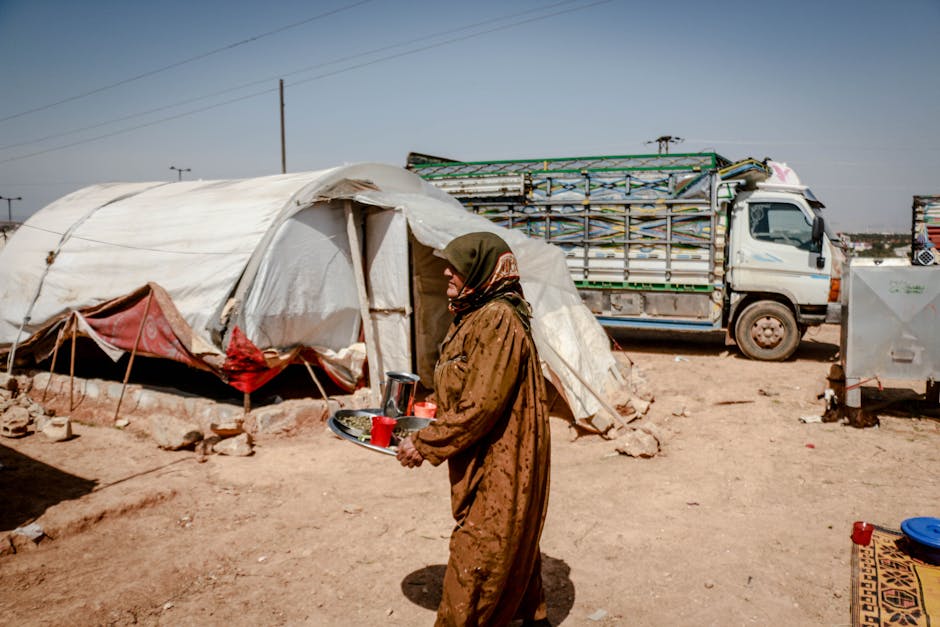

ISLAMABAD: The United Nations High Commissioner for Refugees (UNHCR) has issued a stark warning that up to 3.2 million Iranians have been internally displaced due to ongoing military conflict, marking one of the largest humanitarian crises in the region in recent years. Preliminary assessments indicate that between 600,000 and one million Iranian households have been forced to flee their homes as a result of the US-Israeli military campaign against Iran, with numbers expected to rise as hostilities continue.
“This figure is likely to continue rising as bombing persists, marking a worrying escalation in humanitarian needs,” stated Ayaki Ito, UNHCR Director of Emergency and Programme Support and Cross-Regional Refugee Response Coordinator for the Middle East Emergency. The displacement represents a significant portion of Iran’s population and has created urgent challenges for both national authorities and international aid organizations.
Most displaced persons are reportedly fleeing from Tehran and other major urban centers toward northern regions and rural areas in search of safety. The mass movement has strained infrastructure and resources in receiving areas, with families leaving affected zones amid rising insecurity and limited access to essential services including healthcare, clean water, and shelter. The situation is particularly dire for vulnerable populations, including Afghan refugee families who were already living in precarious conditions with limited support networks before the conflict escalated.
UNHCR, which maintains a longstanding presence in Iran through operational reception areas, helplines, and ongoing support services, is adapting its response to address growing needs. The agency is working closely with national authorities and partner organizations to assess emerging requirements and strengthen preparedness as population movements increase. The UNHCR has emphasized the critical importance of maintaining humanitarian access and ensuring borders remain open to those seeking safety in accordance with international obligations.
The conflict’s humanitarian impact extends beyond immediate displacement, with broader regional implications. The internally displaced persons crisis in Iran adds to existing displacement challenges across the Middle East, where millions have been uprooted by conflicts in Syria, Yemen, and other hotspots. International observers have expressed concern that prolonged hostilities could further destabilize the region and exacerbate existing refugee crises.
As the situation evolves, humanitarian organizations face significant challenges in delivering aid amid ongoing military operations. The BBC’s Middle East coverage has documented similar displacement patterns in recent conflicts, highlighting how civilian populations bear the brunt of modern warfare. The UNHCR has called for immediate protection of civilians and adherence to international humanitarian law by all parties involved in the conflict.
The scale of displacement underscores the human cost of the ongoing confrontation and raises urgent questions about long-term solutions for affected populations. With no immediate resolution to the conflict in sight, humanitarian agencies warn that sustained international support will be crucial to address the growing needs of displaced Iranians and prevent further deterioration of living conditions.