
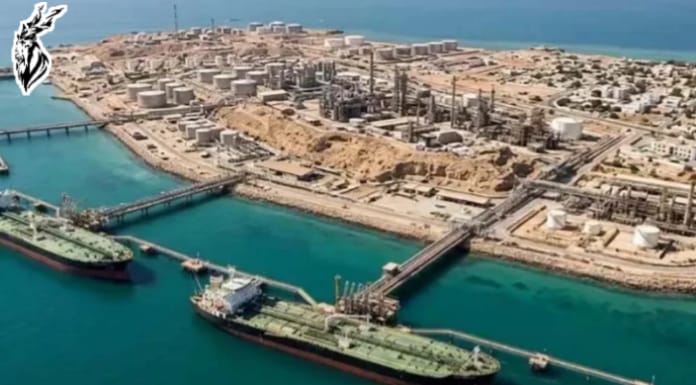

In a dramatic escalation of the ongoing U.S.-Israel conflict with Iran, American forces conducted targeted strikes on Kharg Island, Iran’s primary oil export hub, on March 13, 2026. The operation marks a significant intensification of strategic pressure in a war increasingly defined by its impact on global energy markets and regional stability.
The U.S. military described the targets as military facilities linked to the Islamic Revolutionary Guard Corps Navy, including an airstrip, air defence positions, docks, a control tower, and helicopter hangars. While Iranian state media acknowledged damage, it claimed air defences were quickly restored and, crucially, that oil export infrastructure was deliberately avoided. This careful calibration suggests Washington aimed to demonstrate military capability without immediately crippling Iran’s oil export capacity, which relies heavily on Kharg Island for roughly 90% of its crude shipments.
President Donald Trump hailed the raid as one of the most powerful bombing campaigns in the region’s history. However, analysts view the limited strike as a compellence signal—a warning of greater force intended to pressure Tehran amid a broader standoff. The immediate context is the growing disruption to tanker traffic through the Strait of Hormuz, a chokepoint for nearly one-fifth of global oil trade. Oil prices have remained above $100 per barrel for two consecutive days, reflecting market jitters.
The conflict’s interconnected nature was further illustrated as reports surfaced of the amphibious assault ship USS Tripoli, carrying the 31st Marine Expeditionary Unit and F-35B aircraft, being deployed to the region. This reinforcement has sparked speculation about potential limited ground operations against Kharg Island if the Hormuz blockade persists. Yet, such a move carries substantial risk. The island is defended by Iranian ballistic missiles and drones, and any landing force would face sustained attacks. The presence of civilian populations and historical sites also complicates military planning.
Simultaneously, Tehran and its regional allies have increased pressure across multiple theatres, from the Gulf to Iraq and Lebanon, illustrating a conflict fought through interconnected pressure points. The U.S. strikes on Kharg Island represent a high-stakes gamble: an attempt to leverage military power to shape Iranian behaviour in the energy domain without triggering a full-scale economic or military retaliation that could plunge global markets into deeper chaos. As Reuters and other agencies monitor the situation, the world watches whether this calibrated escalation will compel negotiation or fuel a further dangerous spiral in the Gulf.