
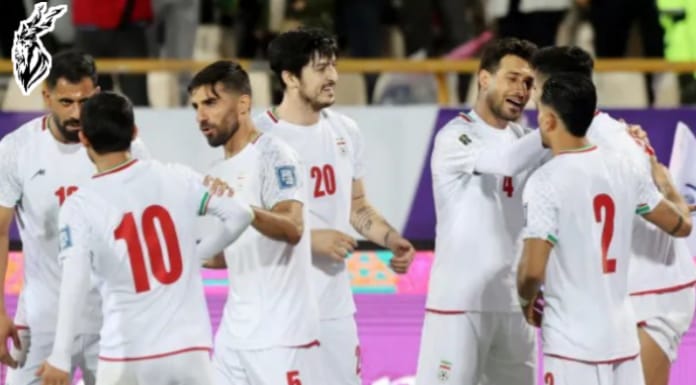

In a dramatic development ahead of the 2026 FIFA World Cup, Iranian Football Federation President Mehdi Taj has declared that Iran will “boycott the United States but not the World Cup,” creating a complex diplomatic and logistical challenge for global football’s governing body. The statement, released in a video by Iran’s Fars News Agency on Wednesday, comes amid escalating tensions and safety concerns surrounding Iran’s scheduled group stage matches in the United States.
The federation has confirmed it has initiated discussions with FIFA about potentially relocating Iran’s matches from U.S. soil. This follows weeks of uncertainty about Iran’s participation since the outbreak of renewed conflict in the Middle East last month. Iranian officials have pointed to what they describe as a “lack of cooperation” from the U.S. government regarding visa issuance and logistical support for their delegation.
Mexican President Claudia Sheinbaum has publicly offered her country as an alternative host for Iran’s first-round matches if required. “Yes,” Sheinbaum stated at a press conference on Tuesday when asked if Mexico was open to hosting. “Mexico maintains diplomatic relations with every country in the world, therefore we will wait to see what FIFA decides.” This offer provides a potential solution, though FIFA has maintained that the tournament schedule remains unchanged for now.
The situation intensified last week when former U.S. President Donald Trump warned that Iran’s football team “should not travel to the tournament for their own life and safety.” Iranian officials swiftly rejected this, asserting that “no one can exclude Iran’s national team from the World Cup.” FIFA President Gianni Infantino had previously indicated that Trump provided assurances about the team’s welcome, but the subsequent comments have reignited concerns.
Iran, which qualified nearly a year ago as the second Asian team after Japan, is scheduled to face New Zealand and Belgium in Los Angeles, followed by Egypt in Seattle. Their base camp is currently slated for Tucson, Arizona. The team’s participation represents more than sport—it’s a geopolitical flashpoint. As Reuters has reported in their sports coverage, such situations test FIFA’s ability to navigate international politics while maintaining the integrity of its flagship tournament.
Should Iran ultimately withdraw, it remains unclear which country would replace them in the tournament draw. The Iranian ambassador to Mexico, Abolfazl Pasandideh, has formally denounced the U.S. stance, adding diplomatic weight to the federation’s position. As the football world watches, this standoff highlights how global sporting events increasingly intersect with international relations, requiring delicate negotiation between sporting bodies and national governments.
Source: ARY News