
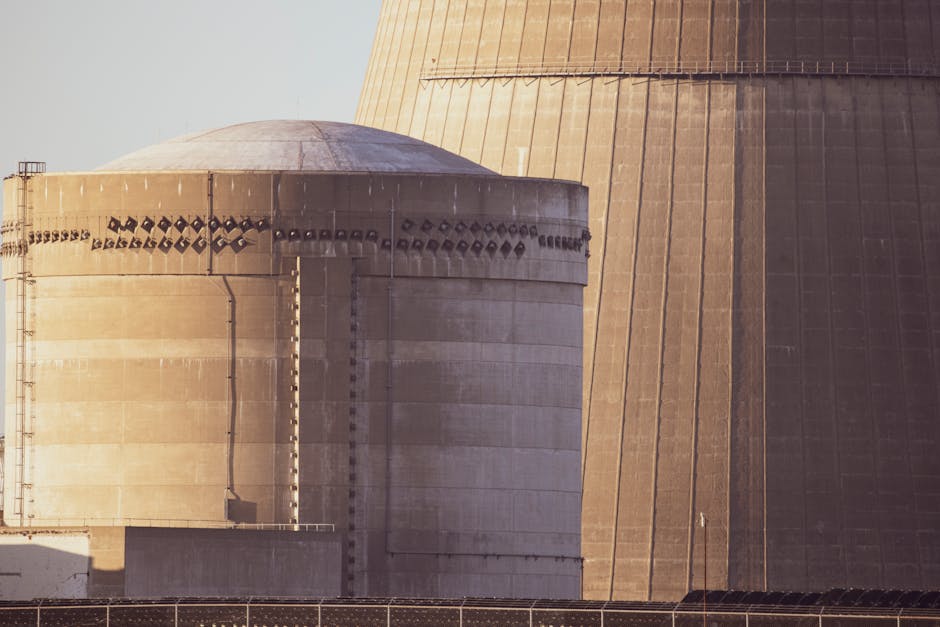

As the US-Israeli conflict with Iran enters its third week, the specter of nuclear escalation looms larger than ever following a strike on Iranian nuclear infrastructure, while parallel battles over energy resources threaten to destabilize global markets. The attack on the Bushehr nuclear power facility marks a dangerous new phase in hostilities, blurring lines that have historically separated conventional and nuclear warfare.
The strike, which caused limited immediate damage without triggering a radiological incident, has nevertheless introduced unprecedented risks. Analysts warn that targeting nuclear-linked infrastructure could provoke reciprocal actions, creating a perilous cycle of escalation. This development comes amid reports that operational plans for seizing enriched uranium stockpiles are moving closer to implementation—a move experts say carries extreme hazards due to potential radiological consequences and the complex mechanics of such operations.
Simultaneously, the conflict has expanded into a full-scale energy war, with the Strait of Hormuz emerging as a central theater. Overnight, US forces employed heavy bunker buster munitions against Iranian coastal missile positions, signaling a strategy to weaken Tehran’s ability to control access to the critical waterway through which approximately 20% of the world’s oil passes. The incoming deployment of the USS Tripoli with its embarked Marine force suggests Washington is preparing for more direct options, including potential ground operations against strategic Iranian islands.
“Any attempt to seize key nodes such as Kharg Island or the Tunb islands would carry significant operational risks,” noted regional security analyst Fatima Ahmed in an Al Jazeera interview. “The chances of neutralizing Iran’s wider asymmetric capabilities remain low, while such actions could trigger broader attacks on Gulf energy infrastructure.”
Currently, Tehran has adopted a calibrated approach to the Strait, allowing limited passage for states not involved in the conflict while restricting traffic linked to the US-Israel coalition. This selective closure has enabled Iran to sustain economic pressure without fully blocking the channel, with reports suggesting the US is even permitting some Iranian oil shipments to prevent complete market disruption.
The conflict’s expansion into the energy sector reached new heights with Israeli strikes on multiple facilities in Iran’s South Pars gas field—the world’s largest natural gas field. This marks the first direct targeting of critical gas processing infrastructure that underpins Iran’s economy, representing a deliberate escalation in the energy domain. According to Reuters sources, the attack was coordinated with and approved by Washington, indicating closer military alignment between the allies.
As smoke continued to rise over Beirut following Hezbollah-Israeli exchanges, and fires burned outside the US Embassy in Baghdad’s Green Zone after drone and rocket attacks, the conflict shows no signs of abating. Each escalation in conventional fighting raises nuclear risks, while the grinding nature of the multi-front war makes diplomatic de-escalation increasingly difficult to achieve.
Source: Dawn News