
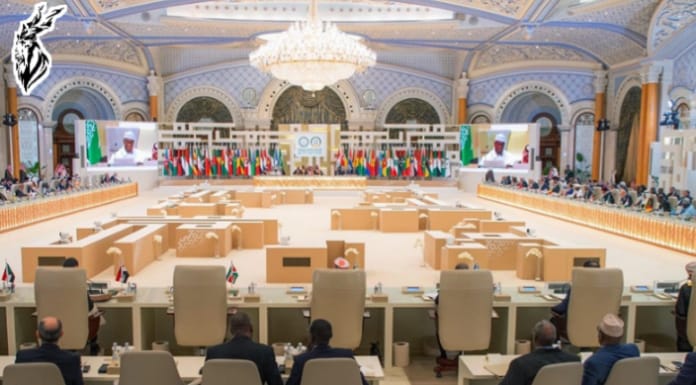

RIYADH – Saudi Arabia will host an emergency consultative meeting of foreign ministers from key Arab and Islamic nations on Wednesday, as regional powers scramble to address the escalating U.S.-Israeli war with Iran that has plunged the Middle East into crisis and triggered global energy supply disruptions.
The Saudi Foreign Ministry announced the high-stakes diplomatic gathering in Riyadh, aimed at discussing “ways to support regional security and stability” amid the nearly three-week-old conflict that shows no signs of de-escalation. The war has already caused unprecedented disruption to global energy markets and raised fears of broader regional destabilization.
According to a Turkish diplomatic source, representatives from Azerbaijan, Bahrain, Egypt, Jordan, Kuwait, Pakistan, Qatar, Syria, Turkey, and the United Arab Emirates are expected to attend the emergency session. The diverse participation underscores the widespread concern across the Middle East about the conflict’s potential to reshape regional alliances and security architectures.
Turkish Foreign Minister Hakan Fidan, who plans to embark on a regional diplomatic tour following the Riyadh meeting, will emphasize the urgent need for a negotiated and peaceful resolution to the hostilities. The diplomatic source warned that continued conflict risks causing “lasting damage to ties between regional countries” and further fragmenting an already volatile geopolitical landscape.
NATO-member Turkey, which shares a border with Iran and maintains complex regional relationships, had attempted to mediate between Tehran and Washington before hostilities erupted. Ankara has consistently condemned U.S. and Israeli strikes on Iranian territory as violations of international law, while simultaneously criticizing Iran’s retaliatory attacks on Gulf states as unacceptable.
The emergency meeting comes as regional powers grapple with the conflict’s immediate humanitarian consequences and long-term strategic implications. With global energy markets experiencing unprecedented volatility and shipping routes through critical waterways like the Strait of Hormuz under threat, the economic stakes extend far beyond the Middle East.
Analysts suggest the Riyadh gathering represents a crucial test for regional diplomacy, as traditional geopolitical fault lines intersect with new security challenges. The participation of both Gulf Cooperation Council members and nations with differing regional alignments indicates a shared recognition that the conflict threatens to overwhelm existing conflict resolution mechanisms.
As diplomatic efforts intensify, the international community watches closely whether regional powers can forge a unified approach to de-escalation or whether divergent interests will prevent meaningful collective action. The outcome of Wednesday’s meeting may significantly influence whether the conflict remains contained or expands further across an already tense region.
Source: ARY News