
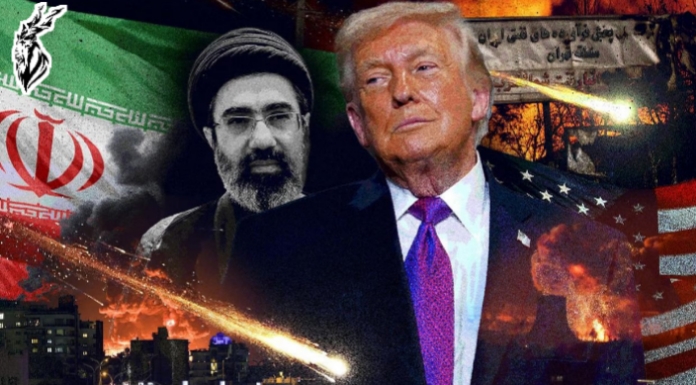

United States President Donald Trump declared on Monday that the fragile ceasefire with Iran is “on life support,” following Tehran’s formal response to a U.S. proposal aimed at ending hostilities. The talks, which have been ongoing since April, appear to be faltering as both sides remain far apart on key issues.
Iran’s counterproposal, delivered over the weekend, demands a comprehensive end to the war across all fronts, including in Lebanon where Israel—backed by the U.S.—is fighting Iran-aligned Hezbollah militants. Tehran also insisted on compensation for war damage, an end to the U.S. naval blockade in the region, guarantees against future attacks, and the resumption of Iranian oil exports. Crucially, Iran reaffirmed its sovereignty over the Strait of Hormuz, through which about 20% of the world’s oil passes, and which has been largely shut since the conflict began on February 28.
“I would call it the weakest right now, after reading that piece of garbage they sent us. I didn’t even finish reading it,” Trump said, threatening to abandon the ceasefire that has held since April 7. The U.S. had proposed an immediate cessation of fighting as a prelude to broader negotiations on contentious issues, particularly Iran’s nuclear program. Tehran, however, insists on linking any pause to a full resolution of all grievances.
Iran’s Foreign Ministry spokesperson Esmaeil Baghaei defended the stance: “Our demand is legitimate.” Parliament speaker Mohammad Baqer Qalibaf added that the country’s armed forces are “ready to respond decisively to any act of aggression.”
The standoff has rattled global energy markets. Brent crude oil futures jumped 3% to over $104 a barrel on Monday, as the near-total closure of the Strait of Hormuz curbed supplies. OPEC oil output fell in April to its lowest in over two decades, according to a Reuters survey.
Separately, the U.S. imposed fresh sanctions on entities and individuals accused of helping Iran ship oil to China, targeting revenue streams for Tehran’s military and nuclear ambitions. The administration also warned banks about efforts to evade existing restrictions.
With both sides dug in, prospects for a diplomatic breakthrough appear dim. Analysts say the coming days will be critical in determining whether the tenuous peace can hold or if the region will slide back into open conflict.
Source: ARY News