
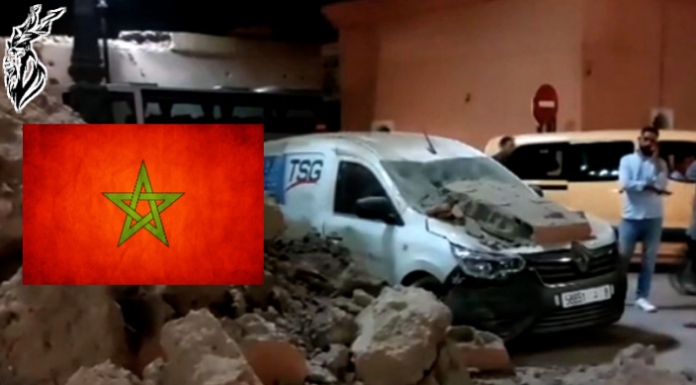

Late on a Friday, Morocco’s High Atlas mountains were shaken by a devastating earthquake of immense power. Tragically, the temblor claimed the lives of at least 296 individuals, causing extensive damage to structures and compelling residents of major cities to flee their homes in haste.
The Interior Ministry, striving to provide an initial assessment of the catastrophe, reported a death toll of 296 and disclosed that an additional 153 individuals had sustained injuries. In an especially heartbreaking revelation, it was disclosed that most of the casualties were concentrated in remote mountainous regions, making rescue operations incredibly challenging.In the closest urban center to the epicenter, Marrakech, eyewitnesses reported the collapse of several buildings within the historic old city, a cherished UNESCO World Heritage site.
Local television broadcasts depicted a mosque minaret lying in ruins amidst crushed vehicles. Meanwhile, Pan-Arab news channel al-Arabiya relayed a grim report of five fatalities within a single family, citing anonymous local sources.
As authorities assessed the extent of the disaster, the Interior Ministry addressed the public through televised broadcasts, appealing for calm amidst the chaos. The earthquake’s impact extended across multiple provinces, including Al Haouz, Ouarzazate, Marrakech, Azilal, Chichaoua, and Taroudant.In the heart of the calamity, Montasir Itri, a resident of the mountain village of Asni, which lay near the epicenter, described the devastating scenes. He revealed that most homes in his community had suffered damage, leaving neighbors trapped beneath the debris. However, amidst the rubble, a determined effort was underway as villagers rallied together, using every available means to rescue those in peril.