
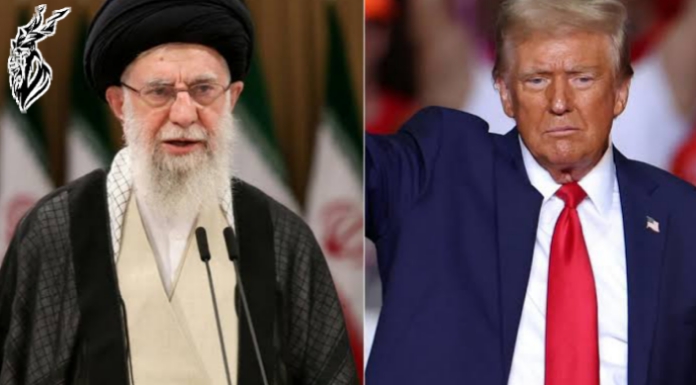

The U.S. Pentagon has ordered the nuclear-powered aircraft carrier USS Gerald R. Ford to sail from the Caribbean Sea to the Middle East in response to escalating tensions with Iran, US Officials said on Friday
The move will position two U.S. aircraft carriers in the region — the Gerald R. Ford and the USS Abraham Lincoln — along with their escort ships, fighter aircraft and surveillance planes, bolstering American naval power amid uncertain diplomacy with Tehran.
President Donald Trump said the administration is deploying the Ford as a contingency “in case we don’t make a deal” with Iran, adding that U.S. forces would be ready if needed.
Officials familiar with the plans said the carrier and its accompanying warships are expected to take at least a week to reach the Middle East. The Ford has been at sea since June 2025 and was operating in the Caribbean with its strike group, after earlier plans for deployment to Europe were changed.
The carrier is the newest and largest in the U.S. fleet and can carry more than 75 aircraft, including F-18 Super Hornets and E-2 Hawkeyes for air-traffic control and early warning. Its support vessels include guided-missile destroyers and a cruiser capable of air, surface and anti-submarine warfare.
Trump warned reporters this week that talks with Iran could succeed, but if they fail “it’s going to be a bad day for Iran.” He had previously said he was considering sending a second carrier if negotiations did not produce a deal.
Long deployments are common during periods of heightened U.S. military activity, though extended time at sea can strain morale among sailors. Officials considered deploying another carrier, the USS George H.W. Bush, but it was still completing certification and would take longer to reach the region.
The Pentagon’s Southern Command, responsible for U.S. operations in Latin America, said it will continue its focus on countering illicit activities and malign actors in the Western Hemisphere.