
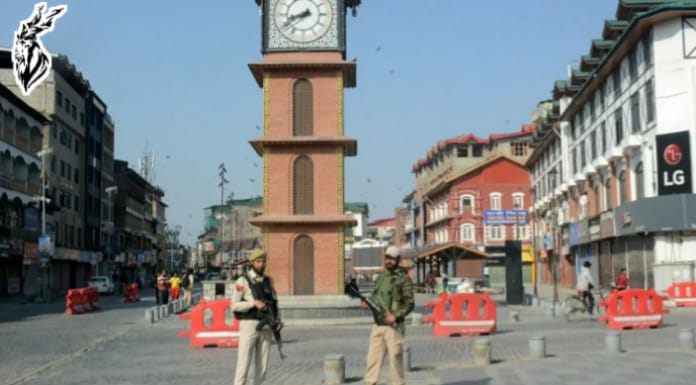

ISLAMABAD: Pakistan on Friday strongly condemned the continued closure of Jama Masjid Srinagar on the last Friday of the holy month of Ramazan, calling on the international community to take notice of restrictions on religious practices in the region.
In a statement, the Ministry of Foreign Affairs (Pakistan) said preventing worshippers from offering congregational prayers at one of the most revered mosques in Indian Illegally Occupied Jammu and Kashmir constituted a serious violation of religious freedom and fundamental human rights.
The statement noted that for the seventh consecutive year since India revoked the region’s special constitutional status, authorities had sealed the mosque and barred Kashmiri Muslims from gathering for prayers on the final Friday of Ramazan, a day that holds special religious significance.
Pakistan urged the international community, including the United Nations and global human rights organisations, to take notice of the restrictions and press India to ensure the protection of religious freedoms in the region.
Earlier, the chief cleric of Kashmir and chairman of the All Parties Hurriyat Conference, Mirwaiz Umar Farooq, said in a social media post that the gates of the historic mosque in Srinagar had been locked from all sides.
He said that thousands of worshippers usually gather in Srinagar from across towns and villages on the last Friday of Ramazan but were once again prevented from offering prayers.
Meanwhile, Chaudhry Muhammad Rafique Nayyar, information and religious affairs minister of Azad Jammu and Kashmir, also condemned the restrictions, describing them as a violation of internationally recognised principles of religious freedom.
Nayyar said curbs on Friday prayers and religious gatherings in occupied Srinagar and Kashmir reflected a policy aimed at suppressing the religious and civil rights of Kashmiri Muslims. He called on the international community and human rights organisations to take urgent notice of the situation and help ensure that the people of Kashmir are granted their fundamental rights.