
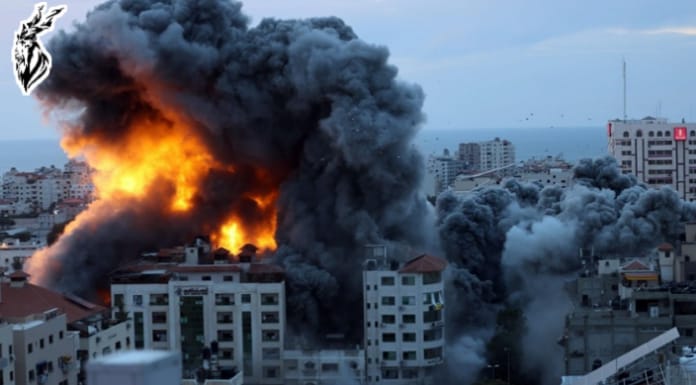

Israeli military operations in the Gaza Strip have resulted in the deaths of at least four Palestinians, as the Rafah border crossing with Egypt reopened on Wednesday, signaling a fragile humanitarian pause amid ongoing regional hostilities. The strikes targeted areas in central and southern Gaza, according to local health officials, who reported multiple injuries alongside the fatalities. This latest escalation comes despite international calls for de-escalation and highlights the persistent volatility in the region.
The reopening of the Rafah crossing, a critical conduit for aid and movement, follows brief closures due to security concerns. Egyptian authorities, in coordination with Palestinian factions, facilitated the resumption of operations, allowing for the passage of limited humanitarian supplies and some individuals. The crossing’s status remains tenuous, often subject to sudden changes based on security assessments, underscoring the precarious conditions faced by Gaza’s two million residents.
Analysts link the violence to broader geopolitical tensions, including stalled peace efforts and internal Israeli politics. The Israeli military stated the strikes were in response to rocket fire from Gaza, though no group immediately claimed responsibility. Such exchanges have become recurrent, with cycles of violence disrupting fragile ceasefires. For context on the Israeli-Palestinian conflict, see Wikipedia.
Humanitarian organizations warn that the situation in Gaza is dire, with infrastructure crippled by years of blockade and conflict. The United Nations has repeatedly called for sustained access to aid, emphasizing that closures exacerbate shortages of essential goods like medicine and fuel. Reports from Reuters detail ongoing efforts to negotiate longer-term solutions, but progress has been slow amid political deadlock.
Regional reactions have been mixed, with some Arab states condemning the Israeli actions while others urge restraint from all sides. The U.S. and European Union have reiterated support for a two-state solution, but diplomatic initiatives have yielded little tangible change. For broader Middle East coverage, Al Jazeera provides in-depth analysis of these developments.
In conclusion, the killing of four in Gaza and the reopening of Rafah reflect the complex dynamics of the Israeli-Palestinian conflict, where humanitarian needs intersect with security imperatives. As the crossing operates under tight controls, the risk of further violence looms, challenging efforts to achieve lasting stability. The international community continues to monitor the situation closely, advocating for dialogue to prevent another full-scale escalation.
Source: Dawn News