
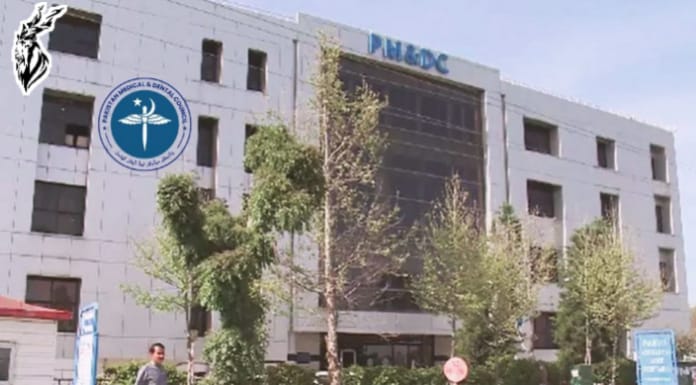

The Pakistan Medical and Dental Council (PMDC) has issued a stark warning to aspiring medical professionals, revealing that 10 universities across the country are currently offering postgraduate medical and dental programs that lack official recognition. This critical disclosure raises significant concerns about the quality of medical education and the future credentials of thousands of students enrolled in these institutions.
The council, the primary regulatory body for medical education and practitioners in Pakistan, has not yet publicly named the specific universities involved. However, the announcement has sent shockwaves through the medical community, prompting calls for immediate transparency and action. Students who graduate from unrecognized programs face severe professional limitations, including the inability to register with the PMDC, practice medicine legally, or pursue further specialization.
The report lists several institutions, including Kohat University of Science and Technology, Hazara University in Mansehra, the University of Azad Jammu and Kashmir, the University of Faisalabad, Khwaja Fareed University of Engineering and Information Technology in Rahim Yar Khan, Shah Abdul Latif University in Khairpur, Sohail University in Karachi, Gomal University in Dera Ismail Khan, NUR International University in Lahore, and Times University in Multan.
This situation underscores a persistent challenge within Pakistan’s higher education sector, where the proliferation of private institutions has sometimes outpaced regulatory oversight. The Higher Education Commission (HEC) works in tandem with councils like the PMDC to maintain standards, but gaps in enforcement can have dire consequences. For students, investing years and substantial financial resources into a degree that may prove worthless is a devastating prospect.
The PMDC’s mandate includes maintaining a register of all approved medical and dental qualifications. Prospective students are strongly advised to verify the accreditation status of any program directly through the council’s official channels before enrollment. This latest revelation follows previous crackdowns on substandard medical education in the region, highlighting an ongoing battle to safeguard professional standards and public health.
Experts warn that the circulation of underqualified medical professionals poses a direct threat to patient safety and erodes public trust in the healthcare system. The PMDC is expected to release further details, including the list of non-compliant universities and the specific programs in question, in the coming days. The council has also indicated it will pursue legal and administrative action against the institutions involved.
This development serves as a crucial reminder for all stakeholders—students, parents, and educational institutions—of the paramount importance of regulatory compliance in medical education. Ensuring that degrees hold national and international value is fundamental to building a robust healthcare workforce for Pakistan’s future.
Source: Dawn News