
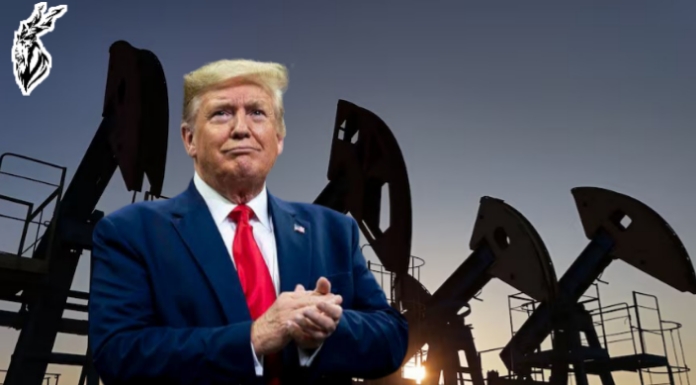

Global oil markets experienced a sharp retreat on Friday as U.S. President Donald Trump announced a ten-day pause in planned strikes against Iranian energy facilities, injecting fresh uncertainty into an already volatile geopolitical landscape. The decision, communicated via Trump’s Truth Social platform, temporarily eased fears of an immediate escalation in the Strait of Hormuz—a critical chokepoint for approximately 20% of the world’s oil and gas shipments. However, conflicting reports from Washington and Tehran regarding the status of negotiations left investors grappling with mixed signals, contributing to broader equity declines across Asian markets.
President Trump had initially issued a 48-hour ultimatum to Iran last Saturday, threatening to “obliterate” its energy sites if Tehran did not reopen the Strait of Hormuz. That deadline was later extended by five days, citing “positive peace talks”—a claim Iranian officials promptly denied. On Thursday, Trump declared a further delay until April 6, 2026, attributing the pause to a request from the Iranian government. “Talks are ongoing and, despite erroneous statements to the contrary by the Fake News Media, and others, they are going very well,” Trump posted. He added that Iran had permitted the passage of ten oil tankers through the strait as a goodwill gesture, though independent verification of these movements remains pending.
Meanwhile, Iranian state media offered a contrasting narrative. The Tasnim news agency reported that Tehran had formally responded to a 15-point U.S. peace plan through intermediaries, demanding an end to American and Israeli attacks on Iran and its regional allies, war reparations, and recognition of Iranian sovereignty over the Strait of Hormuz. This response underscores the deep-seated tensions that continue to fuel the conflict, which began on February 28. According to Reuters, oil prices have surged nearly 50% for Brent crude and 40% for West Texas Intermediate since the war’s onset, reflecting persistent supply concerns.
The market’s reaction to Trump’s announcement was muted, with Brent crude falling just over 1% on Friday—a partial reversal of the previous day’s gains. Analysts suggest that traders remain skeptical of a swift resolution, especially amid reports from the Wall Street Journal that the Pentagon is considering deploying up to 10,000 additional troops to the Middle East. This military buildup, coupled with the erratic diplomatic communications, has fostered an environment of prolonged anxiety, with many investors bracing for extended volatility. Asian equities, including markets in Tokyo, Seoul, and Hong Kong, mirrored this unease, posting significant losses as confidence waned.
As the April 6 deadline approaches, the international community watches closely, aware that any misstep could reignite hostilities and send oil prices soaring anew. The situation highlights the fragile balance between diplomatic overtures and military posturing in one of the world’s most strategically vital regions. For now, markets remain on edge, reflecting the broader uncertainty that defines this ongoing crisis.
Source: ARY News