
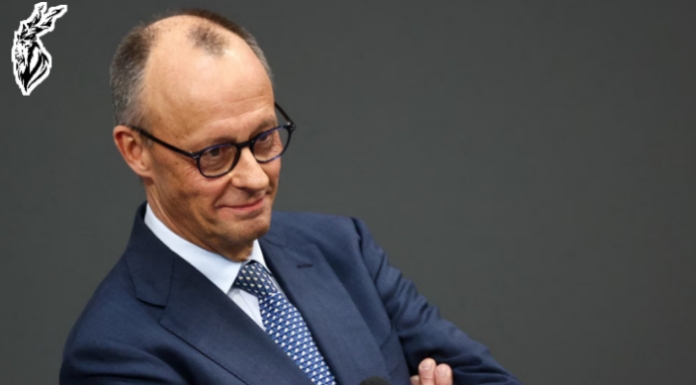

German Chancellor Friedrich Merz has publicly expressed skepticism about the United States and Israel’s strategic objectives in the ongoing conflict with Iran, while simultaneously signaling Berlin’s conditional willingness to participate in regional stabilization efforts once hostilities cease. Speaking at a conference hosted by the Frankfurter Allgemeine Zeitung newspaper on Friday, Merz cast doubt on the current military approach, stating, “I’m just not convinced that what’s happening right now—what Israel and America are doing—will actually lead to success.”
The chancellor’s comments come amid escalating regional tensions following the February 28 U.S.-Israeli attack on Iran, which triggered retaliatory strikes against Israel, American bases, and Gulf states. Iran has also effectively blocked Middle East fuel exports through the strategic Strait of Hormuz, a critical global oil transit chokepoint. European nations have largely avoided direct military involvement, a stance that has reportedly frustrated U.S. President Donald Trump.
Merz emphasized that Germany remains engaged in diplomatic channels, working through discussions with Gulf states and within the G7 framework to seek resolutions. He acknowledged that Berlin’s efforts to influence Israel have seen “limited success” but noted Washington has shown some willingness to find common ground. The chancellor revealed he recently explained to President Trump that “this is not NATO’s war,” adding, “I think he understood this.”
Looking beyond the current conflict, Merz outlined potential German contributions to post-war stability, including helping secure the Strait of Hormuz through mine clearance operations. However, he stressed such involvement would require an international mandate and approval from the German parliament, describing it as “a long way off” and not feasible while fighting continues. This cautious approach reflects broader European reluctance to be drawn into Middle Eastern conflicts while maintaining commitment to international security frameworks.
The chancellor’s statements highlight the delicate balance Germany seeks between supporting allies and avoiding direct military entanglement, while positioning Berlin as a potential stabilizing force in future reconstruction efforts. As the conflict enters its second month with no clear resolution in sight, Merz’s doubts underscore growing international concerns about the conflict’s trajectory and long-term regional implications, particularly regarding global energy security and geopolitical stability.
Source: ARY News