
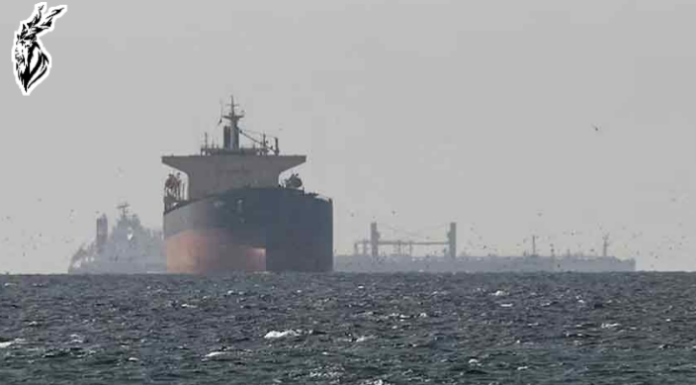

The United Nations has formally engaged Pakistan as a key partner in a high-stakes international effort to secure the flow of essential goods through the world’s most critical oil transit chokepoint. UN Secretary-General António Guterres announced the establishment of a dedicated task force on Friday, designed to create operational frameworks guaranteeing the safe passage of humanitarian aid and agricultural supplies, including fertilizers, through the Strait of Hormuz.
The initiative comes as maritime traffic through the narrow waterway, which sees about one-fifth of the world’s oil supply, has been severely disrupted by the escalating conflict between the U.S., Israel, and Iran. “As the conflict in the Middle East unfolds and threatens to intensify, disruptions in maritime trade through the Strait risk creating ripple effects, impacting humanitarian needs and agricultural production in the coming months,” UN spokesperson Stéphane Dujarric warned at UN Headquarters in New York, stressing the urgency of immediate action.
The task force will be spearheaded by Jorge Moreira da Silva, Executive Director of the United Nations Office for Project Services (UNOPS). It will include experts from the UN Conference on Trade and Development (UNCTAD), the International Maritime Organization (IMO), and the International Chamber of Commerce (ICC). Dujarric confirmed that Pakistan is among the first member states consulted, highlighting its strategic importance and diplomatic role in the region.
The mechanism’s primary goal is to facilitate the unimpeded trade of fertilizers and related raw materials, which are vital for global food security, while operating within full respect for national sovereignty and international law. “If successful, it would also build confidence among member states in the diplomatic approach to the conflict and serve as a valuable step toward a broader political settlement,” Dujarric added. Parallel political engagement will be led by the Secretary-General’s personal envoy, Jean Arnault.
The economic and human cost of the disruption is already severe. According to IMO estimates, approximately 2,000 vessels and 20,000 seafarers have been affected. The crisis has sent shockwaves through energy markets, with Brent crude oil prices soaring to $110.82 per barrel, a dramatic increase from around $72 before the conflict escalated. While Iranian authorities have stated in a letter to the IMO that non-hostile vessels will be granted safe passage, the UN’s move to create a formal, multilateral safeguard mechanism underscores the profound global stakes involved in securing this 21-mile-wide strait.
Source: ARY News