
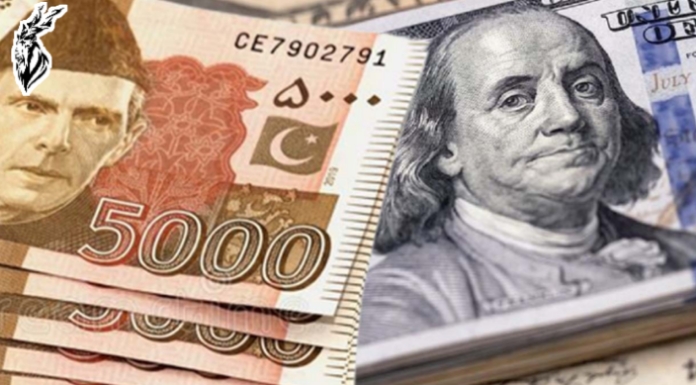

The Pakistani rupee maintained its stability against major currencies on Wednesday, with the US dollar trading at Rs 279.12 in the interbank market—a marginal 3 paisa appreciation from the previous session and the narrowest trading range recorded so far in 2026. The State Bank of Pakistan’s official rate reflects continued market confidence as foreign exchange reserves climb to $21.26 billion and forward premiums compress to multi-month lows.
Market analysts attribute the rupee’s resilience to robust remittance flows and exporter dollar sales above the 279.50 level. “The currency is drifting on technical flows rather than any fundamental catalyst,” noted a senior treasury official, highlighting ample market liquidity. The US dollar has remained comfortably within the 279-282 range since October, with one-week forwards priced at 279.53—implying a negligible 0.15% carrying cost that signals minimal near-term volatility expectations.
Among priority currencies, the British pound strengthened to Rs 370.62 from yesterday’s 368.75, while Gulf currencies showed remarkable stability. The Saudi riyal traded at 74.36 with a 12-month forward at 76.74—representing just 3.2% annualized depreciation, the narrowest spread among principal remittance channels. Similarly, the UAE dirham firmed to 75.99, with exchange houses reporting steady demand from pilgrims securing rates ahead of the upcoming Umrah season.
The State Bank of Pakistan has maintained a steady hand in currency management, with the real effective exchange rate easing to 98.2 in November—a level the International Monetary Fund considers competitive yet not undervalued. This comes ahead of the IMF’s first-quarter 2026 assessment, which market participants are watching closely for policy direction.
Forward premiums across major currency pairs remain compressed, with even less-liquid crosses like the Canadian dollar showing just 5.2% annualized depreciation. “The uniformly compressed forward premiums—scarcely 4-5% annualized—signal that both importers and exporters are confident the central bank retains sufficient firepower to safeguard the rupee,” explained a currency desk head at a major commercial bank.
Regional currencies showed mixed performance, with the euro gaining 1.0% on the week to 323.47 following softer Eurozone inflation data. The Japanese yen remained the most affordable major currency at Rs 1.76 per unit, though its forwards price the steepest annualized depreciation among G-10 pairs at 6.3%. Commodity-linked currencies like the Australian dollar rebounded to 193.64 as iron ore prices steadied above $100 per ton.
Market outlook remains cautiously optimistic, with dealers anticipating continued stability barring an oil price spike above $90 per barrel or political turbulence that could derail the IMF program. The Reuters currency markets analysis suggests Pakistan’s external position has strengthened considerably, with remittances through official channels keeping Gulf currency crosses anchored and petroleum importers accumulating dollars on dips below 279.10.
As noted in recent BBC business coverage of emerging market currencies, Pakistan’s managed float regime appears to be achieving its objectives of stability without excessive volatility. With forward curves pricing modest depreciation and reserves at comfortable levels, the rupee seems poised to maintain its current trading band through the winter remittance window.
Source: ARY News