
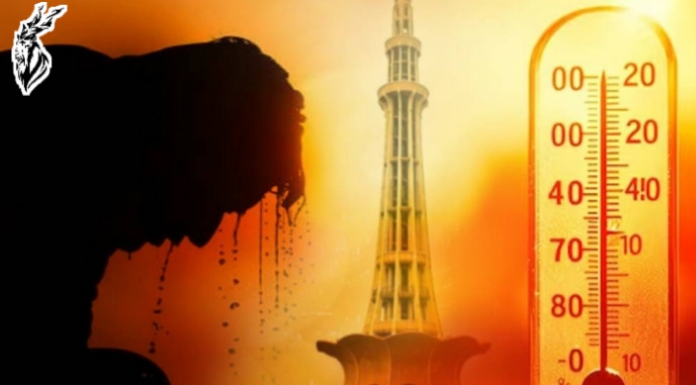

Pakistan’s major cities are projected to become global hotspots for heat-related fatalities by 2050, according to a new climate vulnerability assessment. The study indicates that without significant adaptation measures, urban populations in Karachi, Lahore, and other metropolitan areas will bear the brunt of rising temperatures, with mortality rates potentially increasing threefold compared to current levels.
Researchers attribute this grim forecast to a combination of factors including rapid urbanization, inadequate infrastructure, and the urban heat island effect, where concrete and asphalt absorb and retain heat more than natural landscapes. With over 40% of Pakistan’s population now living in cities—a figure expected to rise—the concentration of vulnerable residents in poorly ventilated, densely packed neighborhoods creates a perfect storm for heat-related health crises.
The health impacts are particularly severe for outdoor laborers, the elderly, and those with pre-existing conditions. Heatstroke, dehydration, and exacerbation of cardiovascular and respiratory illnesses are expected to become leading causes of death during prolonged heatwaves. The World Health Organization has repeatedly warned that climate change is the single biggest health threat facing humanity, with heat stress being a primary concern.
Environmental experts point to Pakistan’s geographic vulnerability as a key factor. Situated in a region where temperatures already frequently exceed 40°C (104°F) in summer, even modest increases could push conditions beyond human tolerance limits. The Intergovernmental Panel on Climate Change has identified South Asia as particularly susceptible to extreme heat events, with Pakistan among the most affected nations.
Local authorities face mounting pressure to implement adaptation strategies. These include developing early warning systems, creating cooling centers, improving building design for better ventilation, and increasing green spaces in urban planning. Some cities have begun experimenting with reflective roofing materials and tree-planting initiatives, but experts say current efforts remain insufficient given the scale of the challenge.
The economic implications are equally concerning. Productivity losses from extreme heat, increased healthcare costs, and strain on energy grids during peak cooling demand could significantly hamper Pakistan’s development goals. International climate financing may be crucial for implementing large-scale adaptation projects in coming decades.
As global temperatures continue to rise, Pakistan’s urban future hangs in the balance between proactive adaptation and catastrophic human toll. The next decade will be critical for implementing policies that protect vulnerable populations from what scientists warn could become one of the century’s deadliest climate impacts.
Source: Dawn News