
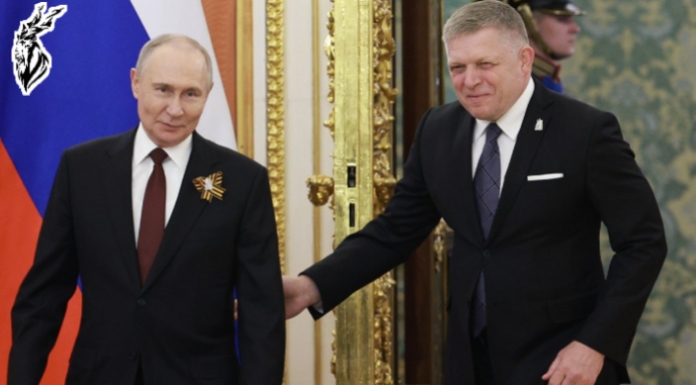

Slovakia’s Prime Minister Robert Fico has urged the European Union to lift sanctions on Russian oil and gas imports, arguing that ending restrictions would help address the energy crisis exacerbated by ongoing conflicts. In a statement following discussions with Hungarian Prime Minister Viktor Orbán, Fico emphasized the need for renewed EU dialogue with Russia to secure missing energy supplies. This position places Slovakia and Hungary as outliers within the EU, both maintaining diplomatic channels with Moscow despite widespread condemnation of Russia’s invasion of Ukraine.
The call comes amid surging global oil prices following recent military actions in the Middle East, which the International Energy Agency has described as creating the largest oil supply disruption in history. Fico’s proposal highlights deepening divisions within the EU over energy security strategies and relations with Russia. While most member states have supported sanctions to pressure Moscow, some Central European nations face particular economic vulnerabilities due to historical energy dependencies.
Meanwhile, Ukrainian President Volodymyr Zelenskyy announced enhanced security cooperation with Turkey following meetings with President Recep Tayyip Erdoğan in Istanbul. Zelenskyy stated Ukraine would share military expertise and technology with Turkey, leveraging wartime experience on the international stage. Erdoğan reaffirmed Turkey’s commitment to facilitating negotiations between Ukraine and Russia, though prospects for meaningful peace talks remain uncertain.
On the battlefield, Russian forces intensified attacks across Ukraine, with a drone strike hitting a covered market in Nikopol that killed five civilians and wounded 25 others. Regional officials reported the attack occurred during morning hours, marking a shift from Russia’s typical nighttime assault patterns. Ukrainian air defenses intercepted 260 of 286 drones launched overnight, but strikes in Sumy wounded 11 people, while attacks in Kyiv and Donetsk caused additional casualties and infrastructure damage.
Diplomatic developments suggest potential movement toward renewed peace negotiations, with Ukrainian officials indicating possible April visits by U.S. envoys including Jared Kushner. Such meetings would represent the first official Kyiv visits for several American figures who have previously engaged with both Ukrainian and Russian representatives. The frontline situation remains tense, with Ukrainian forces reportedly employing advanced combat robotics to counter Russian advances in what soldiers describe as relentless “Terminator”-like warfare.
The contrasting positions within Europe—between nations seeking to maintain pressure on Russia through sanctions and those prioritizing immediate energy needs—underscore the complex geopolitical landscape as the conflict enters its fifth year. With civilian casualties mounting and energy markets destabilized, the EU faces difficult balancing acts between solidarity with Ukraine and addressing domestic economic pressures.
Source: The Guardian