
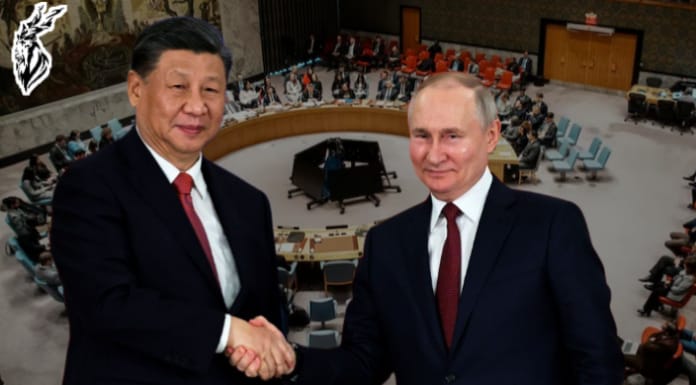

China has declared its readiness to partner with Russia in diplomatic efforts to reduce escalating tensions in the Middle East, particularly focusing on securing the critical Strait of Hormuz. The announcement came during a phone conversation between Chinese Foreign Minister Wang Yi and his Russian counterpart, Sergei Lavrov, on Sunday, ahead of a pivotal United Nations Security Council vote.
Minister Wang stated that China is prepared to continue cooperating with Russia within the UN Security Council framework to “cool down” the regional situation. He emphasized that the fundamental solution to navigation issues in the strategic strait is an immediate ceasefire, reiterating Beijing’s longstanding position that political settlement through dialogue is the only viable path for resolving global hotspots. The discussion precedes a scheduled UNSC vote on a Bahraini-led resolution aimed at protecting commercial shipping in and around the Strait of Hormuz, a chokepoint for nearly a third of the world’s seaborne oil.
According to a readout from China’s foreign ministry, Wang told Lavrov that as permanent members of the Security Council, the two nations should maintain an “objective and balanced” stance and work to garner broader international understanding and support. A parallel statement from Moscow noted that the ministers discussed pathways to achieve a rapid ceasefire and initiate political-diplomatic negotiations. The Russian ministry expressed satisfaction with the alignment of Russian and Chinese positions on most global issues, specifically citing the situation related to Iran and what it termed “unprovoked aggression” by the United States and Israel.
The call underscores a coordinated diplomatic front from Beijing and Moscow as the Security Council prepares to address the crisis. Fighting in the region, now ongoing for over a month, has severely disrupted traffic through the vital waterway, threatening global energy security and trade flows. China has consistently called for de-escalation in the Gulf, urging an end to hostilities that have brought shipping to a near standstill. This proposed Sino-Russian cooperation highlights their intent to shape the international response, potentially countering Western initiatives at the UN. Analysts suggest this move aims to project a stabilizing influence while advancing a multipolar vision of global governance, as reported by outlets like Reuters and Al Jazeera.
Source: ARY News