
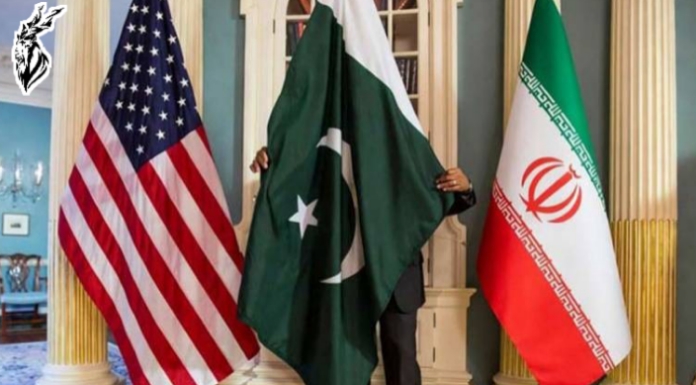

In a significant diplomatic breakthrough, Iran and the United States have agreed to a two-week ceasefire, with negotiations set to commence this Friday in Islamabad, Pakistan. The announcement follows weeks of escalating tensions that threatened to engulf the wider Middle East in conflict.
Iran’s National Security Council confirmed on Wednesday that talks with Washington would begin based on Tehran’s 10-point proposal for a comprehensive settlement. The statement came shortly after U.S. President Donald Trump announced he was suspending attacks on Iran for two weeks, stepping back from previous threats.
The ceasefire is contingent on Iran agreeing to “the complete, immediate and safe opening of the Strait of Hormuz,” according to President Trump’s statement on Truth Social. The strategic waterway, through which approximately 20% of global oil supplies pass, has been partially blocked by Iran since late February, disrupting international trade and driving up energy prices worldwide.
Iranian Foreign Minister Abbas Araghchi, speaking on behalf of the National Security Council, confirmed Tehran’s agreement to the temporary truce. “If attacks against Iran are halted, our powerful armed forces will cease their defensive operations,” Araghchi stated in a social media post. He added that safe passage through the Strait of Hormuz would be coordinated with Iran’s armed forces.
The conflict has drawn in regional actors beyond the immediate U.S.-Iran confrontation. Iran’s retaliatory attacks have reverberated across the Gulf, with Lebanon’s Hezbollah and Yemen’s Houthis launching attacks against Israel, significantly widening the conflict’s scope.
Pakistan’s Prime Minister Shehbaz Sharif played a crucial mediating role, announcing that “the warring sides had agreed to an immediate ceasefire everywhere including Lebanon and elsewhere.” Sharif extended formal invitations to both nations’ delegations to meet in Islamabad on April 10, 2026, to negotiate “a conclusive agreement to settle all disputes.”
Iran’s 10-point proposal, which forms the basis for upcoming negotiations, outlines several key demands. These include Iranian oversight of the Strait of Hormuz, withdrawal of all U.S. combat forces from Middle Eastern bases, cessation of military operations against allied armed groups, full compensation for war damages, and the lifting of all international sanctions. The proposal also calls for the release of frozen Iranian assets abroad and ratification of any final agreement through the United Nations Security Council.
President Trump expressed optimism about the diplomatic path forward, stating that the U.S. has “already met and exceeded all of its military objectives” and is “very far along with a definitive Agreement concerning Longterm PEACE with Iran.” He characterized Iran’s proposal as “a workable basis on which to negotiate” and noted that the two-week period would allow for finalizing agreements.
The upcoming talks in Islamabad represent the most significant diplomatic engagement between the two nations in years and offer hope for de-escalation in a region that has witnessed mounting tensions. As global markets react to the potential reopening of critical shipping lanes, the international community watches closely, aware that the success or failure of these negotiations could reshape Middle Eastern geopolitics for years to come.
Source: Al Jazeera