
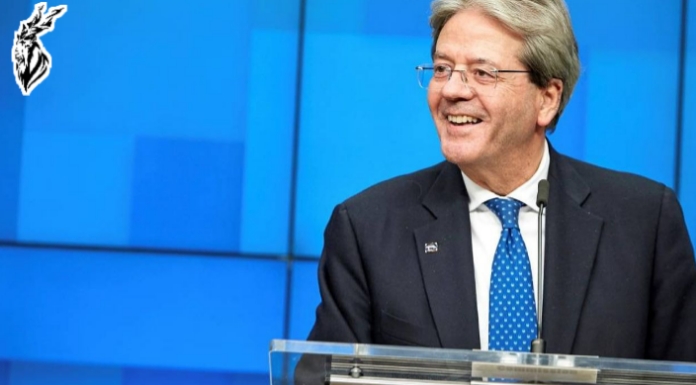

ISLAMABAD: Pakistan’s diplomatic intervention in de-escalating tensions between the United States and Iran has garnered significant international acclaim, with former Italian Prime Minister Paolo Gentiloni proposing the country as a serious contender for the Nobel Peace Prize. The unprecedented endorsement follows Islamabad’s reported success in facilitating a ceasefire agreement that ended weeks of escalating hostilities threatening to ignite broader regional conflict.
International stakeholders have widely praised Pakistan for creating critical dialogue opportunities during a period of extreme volatility. The country’s sustained behind-the-scenes engagement is credited with bringing both Washington and Tehran to the negotiation table after more than a month of heightened military posturing. This diplomatic breakthrough represents a significant achievement in international conflict mediation, demonstrating how regional powers can play constructive roles in global stability.
Key Pakistani leadership, including Prime Minister Shehbaz Sharif and Chief of Army Staff General Syed Asim Munir, have been specifically highlighted in discussions surrounding the mediation efforts. Supporters argue their strategic diplomacy and persistent engagement were instrumental in preventing further escalation. The growing international consensus suggests Pakistan’s neutral positioning and historical relationships with both nations provided unique leverage in the delicate negotiations.
Gentiloni’s public endorsement adds substantial weight to the growing chorus of international appreciation for Pakistan’s diplomatic contribution. The former Italian leader, who served as Prime Minister from 2016 to 2018 and currently holds the position of European Commissioner for Economy, brings considerable credibility to the proposal. His statement reinforces how Pakistan’s efforts are being recognized beyond immediate regional stakeholders, gaining traction in European diplomatic circles.
Recent developments indicate Pakistan’s role may continue expanding, with Islamabad emerging as a potential venue for future diplomatic talks between US and Iranian officials. This positioning suggests sustained international confidence in Pakistan’s capacity as an honest broker. The country’s successful mediation comes amid broader Middle East tensions that have challenged traditional diplomatic channels.
Analysts note that Nobel Peace Prize recognition would represent a significant shift in Pakistan’s international perception, highlighting its potential as a stabilizing force rather than a source of regional tension. The nomination discussion coincides with increasing global appreciation for South Asian diplomatic initiatives that bridge divides between major powers. While the Nobel Committee maintains strict confidentiality around nominations, the public endorsement from a prominent European figure adds momentum to Pakistan’s case.
Pakistan’s Foreign Office has maintained measured responses to the growing international praise, emphasizing the country’s commitment to peaceful conflict resolution and regional stability. The successful mediation demonstrates how middle powers can effectively navigate complex international disputes, offering alternative pathways when traditional diplomatic channels falter. As global tensions continue evolving, Pakistan’s recent success may establish new templates for conflict resolution involving competing superpowers.
Source: ARY News