
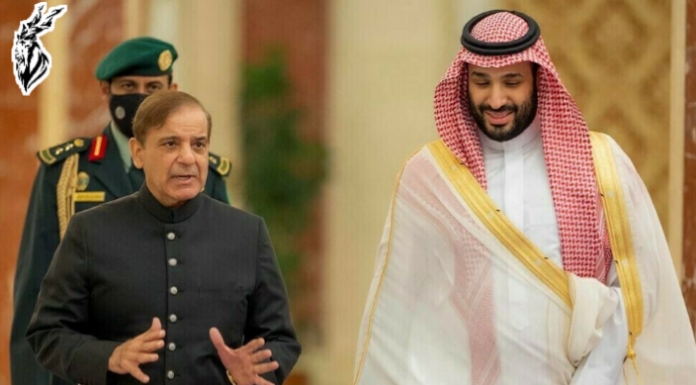

Pakistan and Saudi Arabia have issued a joint expression of deep concern over severe ceasefire violations in Lebanon, following a devastating wave of Israeli airstrikes that officials say killed 182 people and wounded 890 others. The diplomatic coordination highlights growing international anxiety that the violence could unravel a fragile regional truce.
In a high-level phone conversation on Wednesday night, Pakistan’s Deputy Prime Minister and Foreign Minister Ishaq Dar and Saudi Foreign Minister Prince Faisal bin Farhan discussed the alarming developments. Both leaders stressed the urgent necessity for all parties to fully respect and implement ceasefire agreements to secure lasting peace and stability in the region. Minister Dar also acknowledged Saudi Arabia’s steadfast support for Pakistan’s diplomatic efforts aimed at regional de-escalation.
The strikes represent the most intense Israeli bombardment in Lebanon since the outbreak of conflict between Israel and Hezbollah. The Lebanese involvement stems from Hezbollah’s retaliatory attacks against Israel, initiated in the context of the broader US-Israel conflict with Iran. This escalation occurs despite a recent two-week ceasefire agreement between the United States and Iran, a deal from which Israel has explicitly stated Lebanon is excluded.
The United Nations has amplified the warning. Secretary-General Antonio Guterres cautioned that the deadly strikes pose a “grave risk” to the fragile US-Iran truce. A UN spokesperson stated, “The ongoing military activity in Lebanon poses a grave risk to the ceasefire and the efforts toward a lasting and comprehensive peace in the region. The Secretary-General reiterates his call to all parties to immediately cease hostilities.” The situation underscores the complex regional proxy dynamics often involving Iran-backed groups.
Analysts point to the volatile security landscape of the Middle East, where localized conflicts frequently threaten to trigger wider confrontations. The Pakistan-Saudi Arabia dialogue signals a concerted effort by key Muslim nations to advocate for restraint. Both foreign ministers agreed to maintain close contact as the situation develops, underscoring the priority placed on monitoring the crisis.
This diplomatic intervention follows a pattern of Pakistan and Saudi Arabia coordinating on matters of regional security, reflecting their shared strategic interests. The immediate concern is whether the violence in Lebanon can be contained before it destabilizes the broader, tenuous ceasefire framework. For further context on the historical tensions, readers can refer to BBC News coverage of the Middle East.
Source: ARY News