
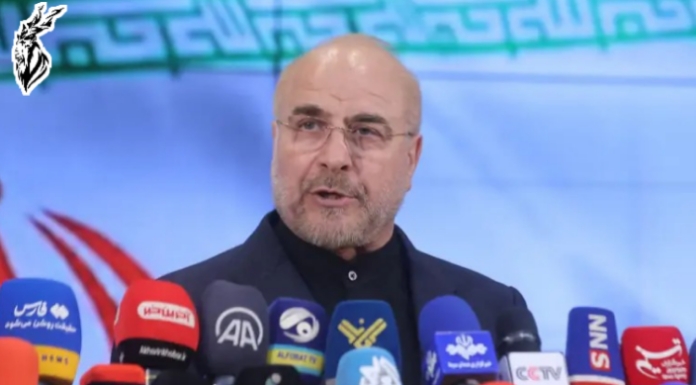

ISLAMABAD: Mohammad Bagher Ghalibaf, Speaker of the Parliament of Iran, said on Sunday that it was now up to the United States to decide whether it could “earn” Tehran’s trust after direct negotiations between the two sides in Islamabad ended without an agreement.
In a post on X written in Persian, Ghalibaf — who headed the Iranian delegation — said Washington had understood Iran’s principles and negotiating stance during the discussions. “America has understood our logic and principles, and now it’s time for it to decide whether it can earn our trust or not,” he wrote.
He recalled that before the talks began he had stressed Iran’s willingness to negotiate in good faith but noted that previous conflicts had eroded Tehran’s trust in the opposing side. According to Ghalibaf, members of the Iranian delegation presented forward-looking proposals during the negotiations, but the US side ultimately failed to convince Tehran of its sincerity.
The Iranian leader said diplomacy based on strength would remain an important approach alongside military efforts to protect the country’s interests. He added that Iran would continue working to consolidate what he described as the achievements of its recent national defence efforts.
Ghalibaf also thanked Pakistan for hosting and facilitating the talks, describing it as a “friendly and brotherly country,” and conveyed his appreciation to the Pakistani people for their support.
The remarks came after the historic direct dialogue between Iran and the United States — known as the Islamabad Talks — concluded without a breakthrough. The negotiations brought together delegations led by Ghalibaf and US Vice President JD Vance for the first high-level face-to-face discussions between the two countries in decades.
The talks began on Saturday afternoon and continued for nearly 21 hours, during which both sides held three rounds of discussions and exchanged written proposals through teams of experts.
Speaking at a press conference in Islamabad after the talks ended, Vance said the negotiations had covered several key issues but failed to produce an agreement. “The bad news is that we have not reached an agreement, and I think that’s bad news for Iran much more than it’s bad news for the United States,” he said, adding that Tehran had declined to accept Washington’s terms.
Iranian Foreign Ministry spokesperson Esmaeil Baqaei said the two sides managed to reach an understanding on several matters but remained far apart on a few critical issues, which ultimately prevented a deal.
Despite the lack of agreement, both delegations acknowledged the efforts of Pakistan’s leadership in organising and mediating the talks. The discussions were held during a two-week ceasefire announced on April 8 following weeks of conflict in the Middle East.
After the negotiations concluded, Pakistan’s Deputy Prime Minister and Foreign Minister Ishaq Dar urged both sides to uphold the ceasefire and continue diplomatic engagement, saying it was essential for regional stability.
Dar said Pakistan would remain ready to facilitate further dialogue between Washington and Tehran and expressed hope that both sides would maintain a constructive approach in pursuit of lasting peace.
Meanwhile, Penny Wong, Foreign Minister of Australia, also called for the ceasefire to continue and urged the parties to return to negotiations. She said it was disappointing that the Islamabad talks had ended without an agreement and warned that any escalation in the conflict could lead to greater human suffering and further strain on the global economy.