
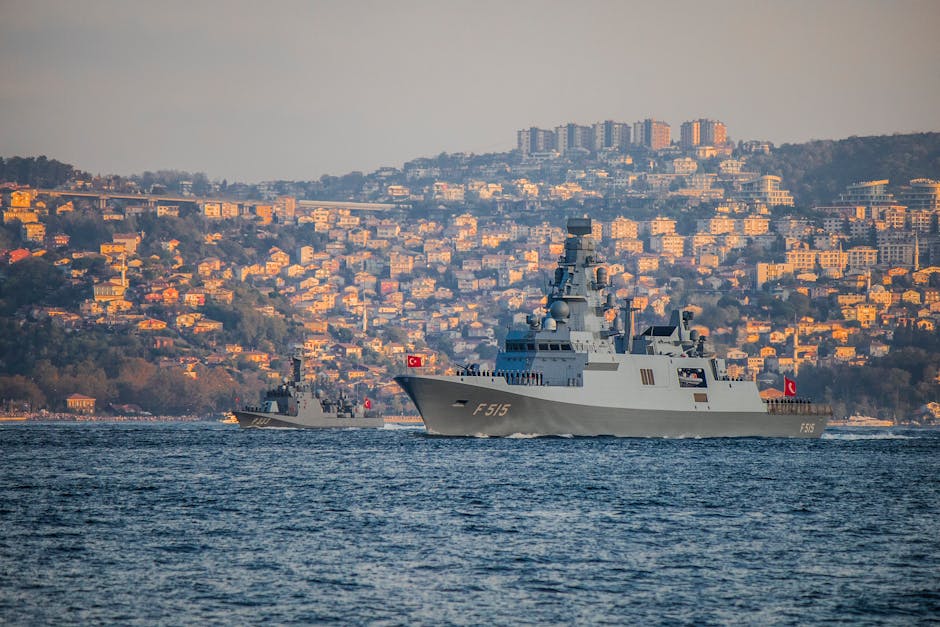

Iran has reinstated strict military control over the Strait of Hormuz, effectively closing the world’s most critical oil shipping corridor and escalating maritime tensions with the United States. The move comes just days after a temporary reopening, creating fresh uncertainty in a conflict that has already disrupted global energy markets for seven weeks.
The Iranian Supreme National Security Council announced on Saturday that all vessels must now obtain permission to transit the narrow waterway, which carries about one-fifth of the world’s oil supply. Iranian authorities cited “repeated U.S. violations and acts of piracy under the guise of a blockade” as justification for the renewed restrictions. Shipping sources reported at least two vessels came under fire while attempting passage, including two Indian-flagged ships that prompted New Delhi to summon Iran’s ambassador.
President Donald Trump responded forcefully to Iran’s actions, stating that Tehran “could not blackmail the United States” by shutting down the strategic chokepoint. Despite acknowledging “very good conversations” with Iranian officials, Trump warned that fighting might resume by Wednesday when the current two-week ceasefire expires. The U.S. maintains its maritime blockade of Iranian ports, which Tehran claims violates their ceasefire agreement.
The renewed restrictions reverse Friday’s brief resumption of traffic that saw eight tankers transit the strait—the first major movement since the U.S.-Israeli war on Iran began on February 28. That conflict has already killed thousands and expanded to include Israeli operations in Lebanon against Iran-allied Hezbollah militants. The Strait of Hormuz has been a focal point of tensions, with its closure sending oil prices surging and threatening global energy security.
Iranian Supreme Leader Mojtaba Khamenei declared the country’s navy “ready to inflict new bitter defeats on its enemies,” while state media reported Tehran was considering new U.S. proposals mediated by Pakistan in recent days. However, Iranian Deputy Foreign Minister Saeed Khatibzadeh confirmed no date has been set for direct negotiations, emphasizing that “a framework of understanding must be agreed first.”
The situation remains fluid as maritime security sources confirm Iranian naval forces are transmitting radio messages warning vessels away from the waterway. U.S. Central Command continues to enforce its blockade but hasn’t commented on Iran’s latest actions. The international community watches anxiously as the Middle East faces another potential escalation that could further destabilize global energy markets during an already volatile period.
Analysts warn that prolonged closure of the strait could trigger severe economic consequences worldwide, particularly affecting energy-dependent nations. The BBC reports that previous disruptions to Hormuz shipping have caused oil price spikes exceeding 15% in single trading sessions. With the ceasefire deadline approaching and no diplomatic breakthrough in sight, the region braces for what could become a decisive week in the ongoing conflict.
Source: ARY News