
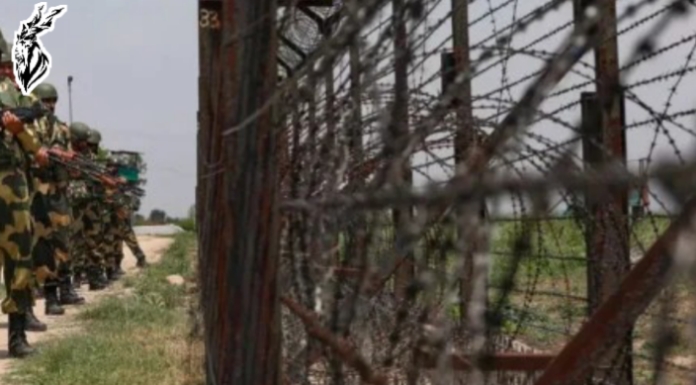

Dhaka: Bangladeshi analysts and human rights advocates have expressed growing concern over what they describe as India’s increasingly aggressive “push-in” policy along the Bangladesh border, arguing that the practice violates international law and risks undermining efforts to improve bilateral relations.
The concerns follow repeated allegations that India’s Border Security Force (BSF) has forcibly pushed Bangla-speaking Muslims into Bangladesh without completing formal citizenship verification or repatriation procedures. According to Bangladeshi officials, the individuals affected have included women and children, some of whom were reportedly left stranded in border areas between the two countries.
Commentators in Bangladesh say the issue has become a significant source of tension despite recent efforts by Dhaka and New Delhi to rebuild diplomatic engagement.
Human rights organisations have also weighed in on the matter. Human Rights Watch (HRW) recently argued that India is bound by international obligations to protect individuals from arbitrary deprivation of nationality and to ensure that expulsions are carried out in accordance with due process and human rights standards.
Analysts have linked the issue of push-in policy to broader debates within India over citizenship verification and migration. They point to past exercises in Assam and recent voter list revisions in West Bengal, which critics claim have disproportionately affected Bengali-speaking Muslim communities.
According to Bangladeshi authorities, the Border Guard Bangladesh (BGB) has repeatedly intercepted individuals allegedly pushed across the border and has resisted attempts to transfer people into Bangladeshi territory without formal verification. Officials in Dhaka maintain that any repatriation process must be conducted through established diplomatic channels and only after citizenship has been conclusively determined.
The United Nations has also called on both countries to address the issue through dialogue and adherence to international human rights principles.
Bangladesh’s government has reported that more than 2,300 individuals have been pushed into the country since August 2024, while border authorities have returned a number of people after determining that proper procedures had not been followed.
Political analysts in Bangladesh warn that continued allegations of forced expulsions could complicate efforts to normalise relations between the two neighbours. They argue that migration and citizenship disputes should be resolved through bilateral engagement, legal mechanisms and internationally recognised procedures rather than unilateral actions at the border.
Observers say that while concerns over illegal immigration remain a legitimate issue for any state, addressing such matters requires transparency, due process and cooperation between governments to prevent humanitarian consequences and preserve regional stability.