
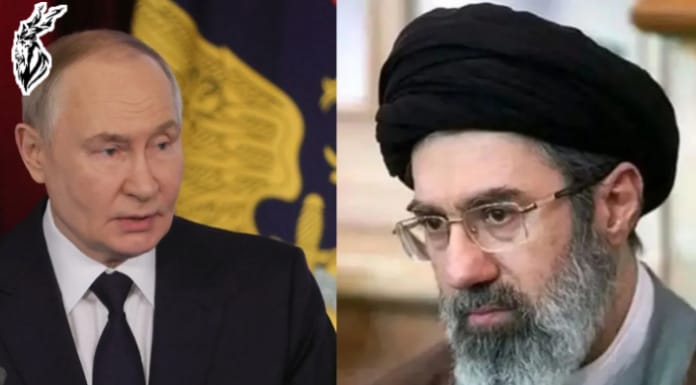

MOSCOW—Russia has publicly urged the United States to abandon what it termed the “language of ultimatums” in its approach to Iran, advocating instead for a swift return to diplomatic negotiations to de-escalate mounting tensions in the Middle East. The call came in a statement from the Russian Foreign Ministry on Sunday, following a discussion between Russian Foreign Minister Sergei Lavrov and Iranian Foreign Minister Abbas Araqchi, emphasizing a shared commitment to political solutions amid a volatile regional climate.
The Russian statement highlighted that both nations support efforts to avoid actions—including within the United Nations Security Council—that could undermine remaining chances for advancing political and diplomatic resolutions to the crisis. Russia underscored its backing for de-escalation to achieve long-term stability in the Middle East, asserting that this would be facilitated by the U.S. shifting away from confrontational rhetoric. This diplomatic push occurs against a backdrop of heightened hostilities, with the region on alert since a U.S.-Israel joint offensive on Iran in late February, which resulted in significant casualties, including then-Supreme Leader Ali Khamenei, according to reports.
Earlier, U.S. President Donald Trump escalated tensions by issuing a stark 48-hour ultimatum to Iran, demanding it meet Washington’s terms to “make a deal or open up the Hormuz Strait.” In a post on his social media platform Truth Social, Trump referenced a previous 10-day deadline, warning, “Time is running out—48 hours before all Hell will reign down on them.” This followed an earlier extension of nuclear negotiation deadlines, which Trump partially attributed to a goodwill gesture from Tehran involving Pakistani-flagged oil tankers. Iran has retaliated with drone and missile strikes targeting Israel, Jordan, Iraq, and Gulf countries hosting U.S. military assets, while also restricting ship movements through the strategic Strait of Hormuz, a critical global oil chokepoint.
The escalating conflict has drawn international concern, with analysts warning of broader regional destabilization. The Reuters agency and other global news outlets have documented the rising death toll and military engagements, highlighting the urgent need for dialogue. Russia’s intervention aligns with its historical role in Middle Eastern diplomacy, often positioning itself as a mediator in conflicts involving Iran and Western powers. Experts note that Moscow’s stance may aim to bolster its influence while preventing a full-scale war that could disrupt energy markets and regional security.
In conclusion, Russia’s appeal for the U.S. to eschew ultimatums and revive negotiations underscores the fragile state of Iran-U.S. relations and the high stakes in the Middle East. As diplomatic channels are tested, the international community watches closely, with hopes pinned on de-escalation to avert further humanitarian and economic fallout. For ongoing updates, refer to sources like the BBC for comprehensive coverage.
Source: ARY News