
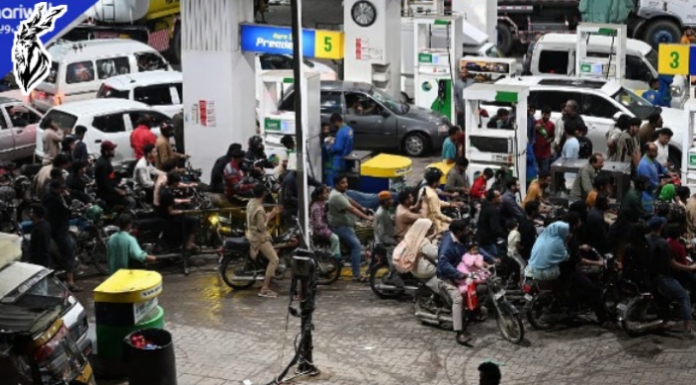

ISLAMABAD: Pakistani consumers are poised for substantial relief at the fuel pumps, with petroleum prices expected to drop by Rs 30 to 60 per litre in the coming days. This anticipated reduction follows a significant decline in global oil prices, triggered by a ceasefire agreement between Iran and the United States that has eased regional tensions. Prime Minister Shehbaz Sharif has issued special instructions to ensure this international market benefit is passed on to the public, directing the finance and petroleum ministries to expedite the process.
According to government sources, the relevant ministries have begun formal deliberations on adjusting domestic fuel prices. The final decision will be made after monitoring international crude oil benchmarks for an additional two days to ensure stability. This development comes after petroleum product prices in the global market fell by approximately 16 percent following the announcement of the Middle East ceasefire, a conflict in which Pakistan played a mediating role. The federal cabinet recently reviewed both the regional cessation of hostilities and the current stock levels of petroleum products within the country during a special meeting.
The potential price cut offers a stark contrast to the situation just days ago. On April 3, 2026, petrol prices in Pakistan skyrocketed to a historic high of Rs 458.41 per litre, sparking widespread public outcry and criticism. Traders’ associations warned of potential protests, while human rights bodies urged the government to review its decision and provide immediate relief to citizens burdened by the soaring cost of living.
In a preliminary response to the backlash, Prime Minister Sharif had already announced a reduction in the petrol levy, which brought the price down to PKR 378 per litre. His administration also introduced targeted subsidies for motorcycle users, goods transport vehicles, and passenger vehicles to mitigate the impact. However, economists had warned that the earlier price hike would have a cascading effect, likely increasing food prices and construction costs across the economy.
The new, larger reduction now under consideration is directly tied to favorable movements in the international commodities market. Analysts note that geopolitical stability, such as the recent Iran-U.S. ceasefire, is a key driver of oil price volatility. For a nation like Pakistan, which imports the majority of its petroleum, such global shifts have immediate domestic repercussions. The government’s move to quickly translate lower international costs into consumer relief aligns with broader efforts to curb inflation and support economic stability, as monitored by institutions like the International Monetary Fund.
If implemented, this reduction would mark one of the most significant single decreases in recent years, offering tangible financial respite to millions of Pakistanis and potentially easing pressure on businesses and supply chains. The decision underscores the direct link between global geopolitics and local economic conditions.
Source: ARY News