
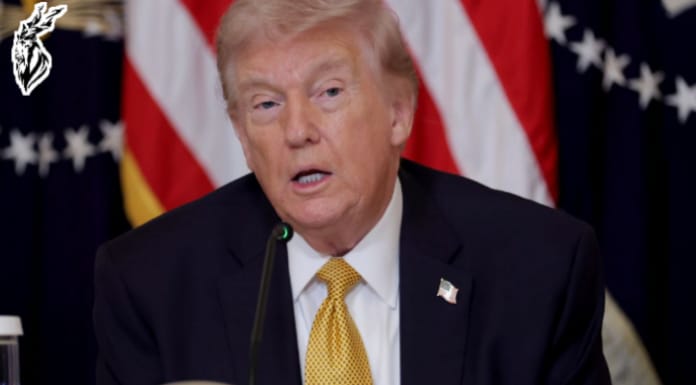

U.S. President Donald Trump has expressed strong optimism about reaching a peace agreement with Iran, as high-level diplomatic efforts intensify to end weeks of regional conflict. In an interview with NBC News on Thursday, Trump stated that a deal was “within reach,” coinciding with preparations for a U.S. delegation led by Vice President JD Vance to travel to Pakistan for critical negotiations.
“I’m very optimistic a peace deal with Iran,” Trump said during the phone interview. He elaborated on the diplomatic dynamics, noting, “Iran’s leaders talk much differently when you’re at a meeting than they do to the press. They’re much more reasonable. They’re agreeing to all the things that they have to agree to.” The president’s comments come amid a nearly six-week conflict that has drawn international concern, with efforts focused on achieving a ceasefire and stabilizing the region.
Trump also addressed the role of Israel in the conflict, confirming that he had asked Israeli Prime Minister Benjamin Netanyahu to scale back military operations to support the diplomatic process. “I spoke with Bibi and he’s going to low-key it. I just think we have to be sort of a little more low-key,” Trump stated, referring to strikes in Lebanon. This aligns with earlier reports from senior administration officials, who indicated that Trump urged Netanyahu to pull back on strikes ahead of the Pakistan talks.
Vice President Vance echoed this sentiment while speaking to reporters in Hungary on Wednesday, suggesting that “the Israelis may check themselves a little bit in the assault on Lebanon.” The coordinated messaging underscores a strategic push to create conducive conditions for the upcoming negotiations in Islamabad, which are seen as pivotal for de-escalation. For context on the broader U.S.-Iran relations, historical tensions have often centered on nuclear agreements and regional influence, as detailed by BBC News.
The conflict’s roots involve complex regional dynamics, including Iran’s support for various groups across the Middle East. According to Reuters, recent escalations have heightened fears of a wider war, making diplomatic breakthroughs urgent. Trump’s remarks, while optimistic, also carried a warning, as he added, “Remember, they’ve been conquered. They have no military. If they don’t make a deal, it’s going to be very painful.” This reflects the administration’s leverage-based approach, combining diplomacy with pressure.
As the U.S. delegation heads to Pakistan, the international community watches closely, hoping for a resolution that could ease tensions in a volatile region. The talks represent a critical juncture, with potential implications for global security and Middle East stability. For more on Iran’s geopolitical role, Wikipedia provides an overview of historical relations.
Source: ARY News