
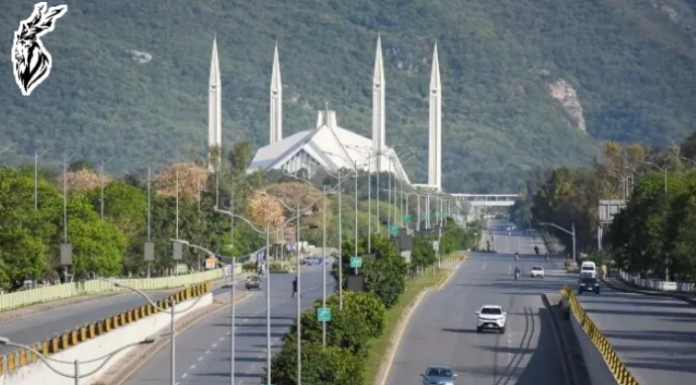

A recent survey by Gallup Pakistan has revealed near-unanimous public endorsement of Pakistan’s diplomatic efforts to mediate in the escalating US-Iran conflict, with overwhelming support for Islamabad’s evolving role as an international peace broker. The findings, released this week, indicate a rare national consensus on foreign policy direction as Pakistan positions itself as a neutral facilitator in one of the world’s most volatile geopolitical standoffs.
According to the survey results, a staggering 93% of respondents expressed approval of Pakistan playing a mediating role in the conflict, with 72% indicating strong approval. Only a small minority voiced disapproval, reflecting what analysts describe as unprecedented public alignment on diplomatic engagement. The survey also found that 88% of Pakistanis believe their country should actively mediate in global conflicts, with just 5% preferring neutrality and a mere 3% supporting taking sides in international disputes.
The strong public backing comes as Pakistan hosts critical negotiations between US and Iranian delegations in Islamabad, with diplomatic sources confirming that both parties have accepted Pakistan’s offer to facilitate dialogue. This development follows months of escalating tensions in the Middle East, including recent military exchanges that threatened to spiral into broader regional conflict. Pakistan’s diplomatic intervention has been praised by international observers as a timely effort to prevent further escalation.
Public awareness of Pakistan’s mediation efforts appears remarkably high, with 82% of respondents reporting knowledge of Islamabad’s role in arranging a temporary ceasefire. Nearly half (46%) indicated they had heard “a great deal” about these diplomatic initiatives. This heightened public engagement coincides with Pakistan’s increasingly visible role in international diplomacy, building on its historical relationships with both Western and Middle Eastern nations.
Perhaps most significantly, the survey reveals widespread optimism about potential outcomes, with 80% of respondents believing the ceasefire is likely to lead to lasting peace. This includes 44% who consider lasting peace “very likely.” Such optimism reflects growing public confidence in Pakistan’s diplomatic capabilities and suggests strong domestic support for continued engagement in conflict resolution efforts.
The findings come at a pivotal moment in Pakistan’s foreign policy evolution, as the country seeks to leverage its strategic position and diplomatic relationships to play a more substantial role in global affairs. With traditional mediators facing credibility challenges in various international conflicts, Pakistan’s emergence as a potential honest broker represents a significant development in international diplomacy. The strong domestic mandate revealed by the survey provides Islamabad with considerable political capital as it navigates these complex negotiations.
As Pakistan continues its mediation efforts, the overwhelming public support documented in this survey suggests a nation ready to embrace a more active international role. With diplomatic talks ongoing in Islamabad and the world watching closely, Pakistan’s success or failure in facilitating US-Iran dialogue could have profound implications for both regional stability and the country’s future position on the global stage.
Source: Geo News