
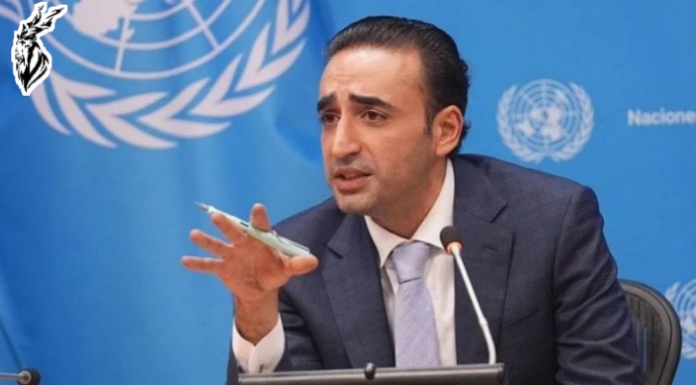

ISLAMABAD: Bilawal Bhutto Zardari, chairman of the Pakistan Peoples Party (PPP), has emphasized that ongoing negotiations between the United States and Iran must succeed, warning that there is no alternative to peace.
In an interview with a British media outlet, the former foreign minister said the success of diplomatic talks was crucial for the international community, stressing that there was no room for a “Plan B.” According to him, “Plan A — peace — must work,” as the consequences of continued conflict could be devastating for the entire world.
Bilawal noted that a ceasefire had been achieved after nearly a month of diplomatic efforts. The Pakistan-hosted negotiations come after a two-week ceasefire announced by Donald Trump following six weeks of conflict that involved US and Israeli airstrikes on Iranian targets.
He said the recent hostilities had resulted in significant loss of life and had also negatively affected the global economy. According to Bilawal, Iran’s proposed 10-point framework has formed the basis of the negotiations, although some differences remain over several points.
The PPP chairman said hostilities, including bombings in Iran and retaliatory actions across the region, had largely ceased, and Pakistan hoped the dialogue process would help bridge the existing trust deficit.
Responding to speculation about a possible nomination for the Nobel Peace Prize, Bilawal said the priority was not recognition but achieving lasting peace in the region.
The conflict in the Middle East escalated on February 28 when the United States and Israel launched coordinated strikes targeting Iran’s military and nuclear infrastructure and assassinating Supreme Leader Ali Khamenei.
In response, Tehran intensified military actions across the region, disrupting shipping through the Strait of Hormuz and launching strikes against Israeli territory as well as US military bases in the Gulf. The six-week confrontation reportedly resulted in more than 2,000 deaths.
The hostilities eventually paused on April 8 when Shehbaz Sharif announced a two-week ceasefire agreement aimed at paving the way for negotiations.
Washington has proposed a 15-point framework for peace talks focusing on Iran’s enriched uranium programme, ballistic missile development, sanctions relief, and reopening the Strait of Hormuz to international shipping.
Tehran has presented its own 10-point counterproposal, calling for greater control over the strategic waterway, the introduction of transit tolls, an end to regional military operations, and the full removal of sanctions.
Several countries have welcomed Pakistan’s diplomatic efforts to facilitate the ceasefire and support negotiations, expressing hope that Islamabad’s role could help de-escalate tensions and move the region toward lasting peace.