
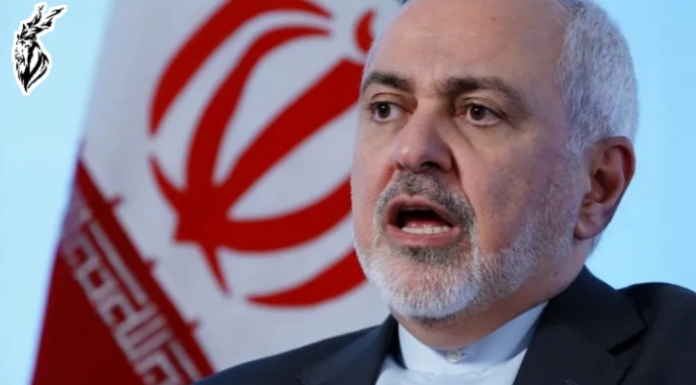

TEHRAN — Iran’s former foreign minister Mohammad Javad Zarif, the architect of the 2015 nuclear deal, has publicly blamed the United States for the collapse of recent peace negotiations, accusing Washington of attempting to dictate terms in a conflict that has engulfed the Middle East. The sharp criticism comes as a fragile two-week ceasefire faces an uncertain future following the breakdown of talks between senior American and Iranian officials in Pakistan.
“No negotiations — at least with Iran — will succeed based on our/your terms,” Zarif declared in a post on social media platform X on Sunday. The seasoned diplomat, who led Iran’s delegation during the historic Joint Comprehensive Plan of Action negotiations, added a pointed warning: “The US must learn: you can’t dictate terms to Iran. It’s not too late to learn.”
The talks, which U.S. Vice President JD Vance described as lasting approximately 21 hours, ended without agreement on Saturday. At a subsequent press conference, Vance stated that Iran “had chosen not to accept our terms,” while Iranian foreign ministry spokesman Esmaeil Baqaei acknowledged that while some points of consensus were reached, “differences remained on two or three important issues.”
According to a report by Axios citing an unnamed source briefed on the negotiations, key sticking points included Iran’s demand to maintain control over the strategic Strait of Hormuz — a critical global oil shipping channel — and its refusal to relinquish its enriched uranium stockpile. These demands reflect Tehran’s determination to preserve strategic assets and sovereign prerogatives, even as it engages in diplomacy to end a conflict triggered by U.S. and Israeli strikes that killed Supreme Leader Ali Khamenei on February 28.
Zarif’s intervention carries significant weight, given his central role in the previous landmark diplomatic engagement with world powers. His critique implicitly frames the current U.S. approach as a repetition of the maximalist posture that led to the 2018 collapse of the nuclear deal under President Donald Trump. The failure of these latest talks raises immediate questions about the sustainability of the ceasefire and the potential for renewed hostilities across the region.
Analysts suggest that Zarif’s public remarks serve both to reinforce Iran’s diplomatic stance and to signal to domestic and international audiences that Tehran will not capitulate to perceived American coercion. The deadlock underscores the profound trust deficit and conflicting strategic objectives that have characterized U.S.-Iran relations for decades. As reported by Reuters, regional stability now hinges on whether diplomatic channels can be revived or if the conflict will escalate once more.
The immediate future remains opaque, with no clarity on whether contacts will resume or what will become of the temporary truce. The breakdown leaves the Middle East in a precarious limbo, with Zarif’s words echoing as a stark reminder of the diplomatic chasm that must be bridged to achieve lasting peace.
Source: ARY News