
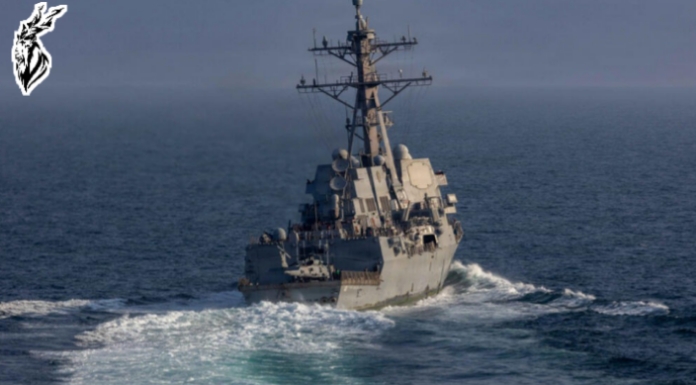

WASHINGTON/ISLAMABAD – A proposed U.S. naval blockade of Iran would constitute a major, open-ended military endeavor with significant geopolitical ramifications, according to security analysts and former officials. The warning comes after President Donald Trump announced plans to blockade Iranian shipping following failed peace talks in Islamabad, escalating tensions in a region already grappling with conflict.
In a social media post on Sunday, Trump declared the U.S. Navy would begin “BLOCKADING any and all Ships trying to enter, or leave, the Strait of Hormuz” after negotiations collapsed. The U.S. military’s Central Command clarified the blockade would specifically target vessels traveling to or from Iranian ports in the Arabian Gulf and Gulf of Oman, with enforcement scheduled to begin Monday at 10 a.m. Washington time.
Trump’s stated objective is to pressure Iran to end its effective closure of the strategic Strait of Hormuz, a critical maritime chokepoint through which approximately 20% of global oil supplies transit. The president asserted that eliminating Iran’s control over the strait would “clear the strait again for global trade” and potentially lower oil prices.
However, military experts caution that implementing an effective blockade represents a formidable challenge requiring sustained naval presence and clear rules of engagement. “Trump wants a quick fix. The reality is, this mission is difficult to execute alone and likely unsustainable over the medium to long-term,” said Dana Stroul, former senior Pentagon official now at The Washington Institute for Near East Policy.
The U.S. military has not disclosed operational details, including the number of warships required, potential aerial support, or participation from Gulf allies. Central Command declined to comment on logistical aspects of the proposed operation.
Retired Admiral Gary Roughead, former chief of U.S. naval operations, warned that Iran would likely retaliate against any blockade. “I honestly believe that if we begin to do it, that Iran will have some kind of a reaction,” Roughead said, suggesting possible Iranian attacks on Gulf shipping or infrastructure of U.S. partner states in the region.
The blockade announcement comes amid already heightened tensions following the U.S.-Israel military campaign against Iran that began February 28. Iranian threats to shipping have contributed to oil prices surging approximately 50% since the conflict’s onset, creating economic pressure that Trump acknowledged could persist through November’s U.S. midterm elections.
Democratic Senator Mark Warner of Virginia questioned the strategic logic behind escalating military pressure, noting on CBS’s “Face the Nation” that Iran could employ asymmetric tactics like mining the strait or attacking tankers. “How is that going to ever bring down gas prices?” Warner asked, highlighting the potential for further market disruption.
While thousands of U.S. strikes have degraded Iranian military capabilities, analysts note Tehran has emerged from recent conflicts with hardened leadership and remains a persistent challenge for Washington. The proposed blockade represents another escalation in a complex geopolitical standoff with implications for global energy security and regional stability.
Source: ARY News