
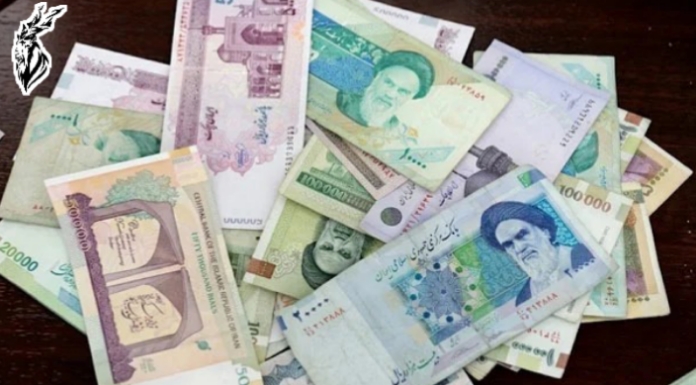

As of April 21, 2026, the Iranian rial is experiencing unprecedented demand in Pakistan’s informal currency markets, trading at approximately PKR 10,000 for 1 crore (10 million) rials—a fourfold increase from pre-surge levels of around PKR 2,500. This dramatic premium highlights growing speculative interest and cross-border economic activity between the two neighboring nations.
The disparity between official and informal rates is stark. While the international mid-market benchmark values 1 Pakistani rupee at about 4,732 Iranian rials, Pakistan’s open market offers roughly 1,000 rials per PKR, creating lucrative arbitrage opportunities. According to the Exchange Companies Association of Pakistan (ECAP), Iranian currency worth up to $6 million is traded daily in local markets, reflecting substantial volume.
Market analysts attribute the surge to three primary factors. First, speculative investors are betting on potential gains from diplomatic developments, including possible US-Iran agreements that could strengthen the rial long-term. Second, increased informal cross-border trade—particularly in fuel, petroleum products, and food items via Balochistan routes—requires physical rial notes for settlements where banking channels are weak. Pakistan’s commerce ministry has approved temporary exemptions from normal financial requirements for exports to Iran from March 24 to June 21, 2026, further stimulating this activity.
However, currency experts urge caution. The Iranian rial remains highly volatile globally, weakened by years of international sanctions, high inflation, and geopolitical tensions. Retail buyers face significant risks, including counterfeits, sudden price reversals if geopolitics shift, and dealer-dependent pricing. The Reuters currency markets coverage shows the rial has consistently struggled against major currencies like the USD and EUR, underscoring its instability.
The Iranian rial, introduced in 1798 and managed by the Central Bank of Iran, has faced persistent depreciation pressures. Meanwhile, the Pakistani rupee, issued by the State Bank of Pakistan since 1948, reflects broader economic conditions in South Asia. Current trends suggest that while short-term opportunities exist, the market is driven more by speculation and informal trade than fundamental strength. As noted by BBC Business, currency fluctuations in emerging markets often carry heightened risks for retail participants.
Investors are advised to verify rates with registered exchange companies and remain wary of sudden geopolitical shifts that could rapidly alter the rial’s valuation. The market’s current dynamics underscore the complex interplay between regional diplomacy, informal economies, and currency speculation.
Source: ARY News