
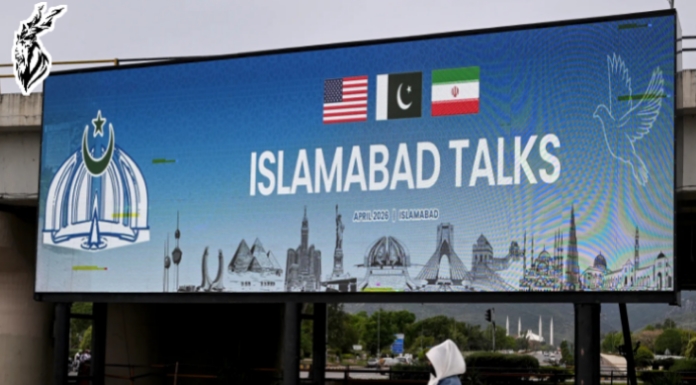

ISLAMABAD: Pakistan’s diplomatic corridors are on high alert as the nation awaits Iran’s official response regarding its delegation’s participation in the proposed second round of Islamabad talks between the United States and Iran. Federal Minister for Information Attaullah Tarar confirmed that Pakistan remains in continuous contact with Iranian counterparts, underscoring Islamabad’s role as a mediator in this high-stakes diplomatic initiative.
In a statement shared on X (formerly Twitter), Minister Tarar emphasized that diplomatic engagement remains the preferred path forward, stating that Pakistan is actively pursuing dialogue to facilitate communication between the two sides. “Pakistan as the mediator is in constant touch with Iranians and pursuing the path of diplomacy and dialogue,” Tarar posted, highlighting Islamabad’s commitment to peaceful resolution through negotiation.
The timing of Iran’s response carries significant weight, as the current ceasefire arrangement between the involved parties is expected to expire on April 22 at 4:50 AM Pakistan Standard Time. Tarar described Iran’s reported decision to participate in negotiations before the end of the two-week truce as a “significant development,” suggesting potential progress in what has been a tense regional situation.
Pakistan’s diplomatic efforts come against a backdrop of conflicting reports regarding Iranian presence in Islamabad. Earlier statements from Iran’s state broadcaster, the Islamic Republic of Iran Broadcasting (IRIB), contradicted speculation about Iranian diplomatic movements, stating that “no Iranian diplomatic delegation—be it a primary or secondary team, or an initial or follow-up mission—has travelled to Islamabad, Pakistan so far.” This discrepancy highlights the delicate nature of the negotiations and the careful diplomatic dance underway.
The Islamabad talks represent a crucial diplomatic channel in regional geopolitics, with Pakistan positioning itself as a neutral facilitator between Washington and Tehran. This mediation role aligns with Pakistan’s historical position in regional diplomacy and its strategic interest in maintaining stability along its western border with Iran.
Minister Tarar reiterated that Pakistan has made sincere efforts to convince Iranian leadership to engage in talks, with these efforts continuing as part of broader diplomatic outreach. The success of these talks could have significant implications for regional security dynamics and Pakistan’s standing as a diplomatic actor in Middle Eastern affairs.
As the deadline approaches, international observers are watching closely to see if diplomatic channels can prevail over escalating tensions. The outcome of Pakistan’s mediation efforts may determine whether dialogue or confrontation defines the next chapter in US-Iran relations.
Source: ARY News