
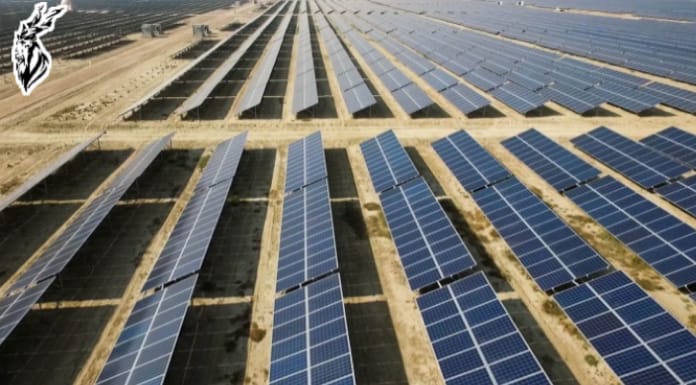

KARACHI: Solar panel prices in Pakistan have spiked sharply ahead of the federal budget 2026-27, with industry experts warning of further increases if the government raises the General Sales Tax (GST) on solar equipment from 10 percent to 18 percent. The surge has already added Rs7,000 to Rs9,000 per plate to the cost of solar panels, while inverter prices are also expected to rise in the coming days.
According to market sources, a 585-watt solar panel now costs Rs27,000, up from Rs18,000 just weeks ago. Similarly, the price of a 645-watt panel has increased from Rs22,000 to Rs31,200, and a 720-watt panel has risen from Rs25,000 to Rs33,500. Industry stakeholders attribute the hike to speculation ahead of the budget, as well as global supply chain disruptions. The government is reportedly considering doubling the GST on solar panels to 18 percent, a move that could further burden consumers already grappling with high electricity tariffs in Pakistan.
The proposed tax increase comes amid a broader push by the government to rationalize energy subsidies and expand renewable energy adoption under the Pakistan Solar Energy Initiative. However, critics argue that higher taxes on solar equipment could undermine efforts to promote clean energy and increase reliance on fossil fuels. In contrast, the government is also exploring a special scheme for solar energy users, under which electricity generated from solar panels installed in rural areas could be credited to consumers in urban centers. Usman Shaukat, president of the Rawalpindi Chamber of Commerce and Industry, confirmed that the “wheeling policy” was discussed with Prime Minister Shehbaz Sharif. Under the proposed plan, urban residents who own property in rural areas could install solar systems there and receive relief on their electricity bills for homes or apartments in cities.
The dual approach—raising taxes while offering incentives—has sparked debate among energy experts and business groups. Some view the wheeling policy as a game-changer for Pakistan’s energy sector, as it could leverage rural land for solar generation and ease pressure on the national grid. Others worry that higher upfront costs due to GST increases will deter residential and commercial adoption.
As the budget session approaches, all eyes are on the government’s final decision regarding GST on solar panels. For now, consumers are advised to lock in current prices before potential further hikes. Read more about solar energy in Pakistan and global renewable energy trends.
Source: ARY News