
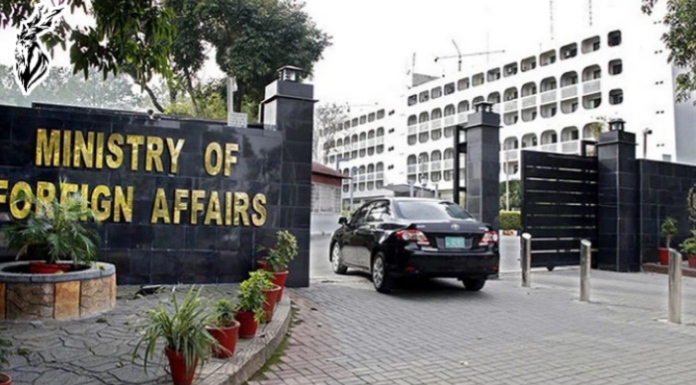

Islamabad/Geneva: Technical-level negotiations between the United States and Iran are scheduled to take place on Sunday in Burgenstock, Switzerland, as efforts continue to implement the recently signed Islamabad Memorandum of Understanding (MoU), Pakistan’s Foreign Office announced.
The talks will bring together representatives from Washington and Tehran, alongside mediators from Pakistan and Qatar, who have played a key role in facilitating dialogue between the two sides. Pakistani officials reiterated their commitment to supporting the implementation process and advancing diplomatic engagement under the agreement.
Switzerland, which is hosting the discussions, said it would provide a discreet and neutral venue for the negotiations. The Swiss Foreign Ministry confirmed that diplomats from several countries remain engaged in efforts to sustain dialogue but declined to disclose details regarding participants or the content of the talks.
The upcoming meeting follows the signing of the Islamabad MoU earlier this week by U.S. President Donald Trump and Iranian President Masoud Pezeshkian. The agreement is intended to establish a framework for ending hostilities and advancing negotiations after months of heightened regional tensions.
Speaking to U.S. media, Vice President JD Vance said high-level discussions could begin as early as Sunday, depending on the arrival of senior officials from Iran, Pakistan and Qatar. He noted that American envoys Jared Kushner and Steve Witkoff were already in Switzerland addressing technical aspects of the process.
Vance expressed confidence in the durability of the current ceasefire and indicated that he may personally join the negotiations in the coming days. He described the diplomatic effort as a delicate process requiring close coordination among all parties involved.
President Trump, he added, remains open to a new phase in U.S.-Iran relations if Tehran demonstrates a willingness to alter its approach and fulfil commitments under the agreement.
Iran has also confirmed its participation in the talks. Foreign Ministry spokesman Esmaeil Baghaei said Tehran would use the meeting to seek concrete implementation of obligations undertaken by the other side and to assess how those commitments would be fulfilled.
“We are committed to a commitment-for-commitment approach,” Baghaei said, warning that any failure to implement agreed measures could jeopardise the broader understanding reached between the two countries.
According to Iranian media, the Iranian delegation will be led by Parliament Speaker Mohammad Bagher Qalibaf and Foreign Minister Abbas Araghchi. Senior economic and security officials, including Central Bank Governor Abdolnasser Hemmati and Supreme National Security Council official Ali Bagheri Kani, are also expected to participate.
The talks come after Iran postponed previously planned direct negotiations with the United States, citing concerns over continued Israeli ceasefire violations in Lebanon.
Pakistan has emerged as a central diplomatic intermediary in the process. Following a ceasefire secured in April, Islamabad hosted the highest-level direct engagement between U.S. and Iranian officials in decades, helping lay the groundwork for the current agreement.
Meanwhile, reports indicate that Washington and Qatar are discussing a mechanism that could release billions of dollars in frozen Iranian assets for humanitarian purposes. According to media reports, the proposal would initially allow Iran access to approximately $6 billion currently held in Qatar, enabling purchases of food, medicine and other essential goods.
The arrangement could later be expanded to cover additional Iranian funds frozen in countries such as China, India and Iraq. Analysts say the release of limited assets could serve both as an economic relief measure and as a confidence-building step to support ongoing negotiations.
Supporters of the agreement argue that such incentives may help sustain diplomacy and reduce regional tensions, while critics contend that economic concessions should be tied to more substantial progress on Iran’s nuclear programme.
With negotiators preparing to meet in Switzerland, attention is now focused on whether both sides can translate the recent diplomatic breakthrough into lasting implementation and broader regional stability.