
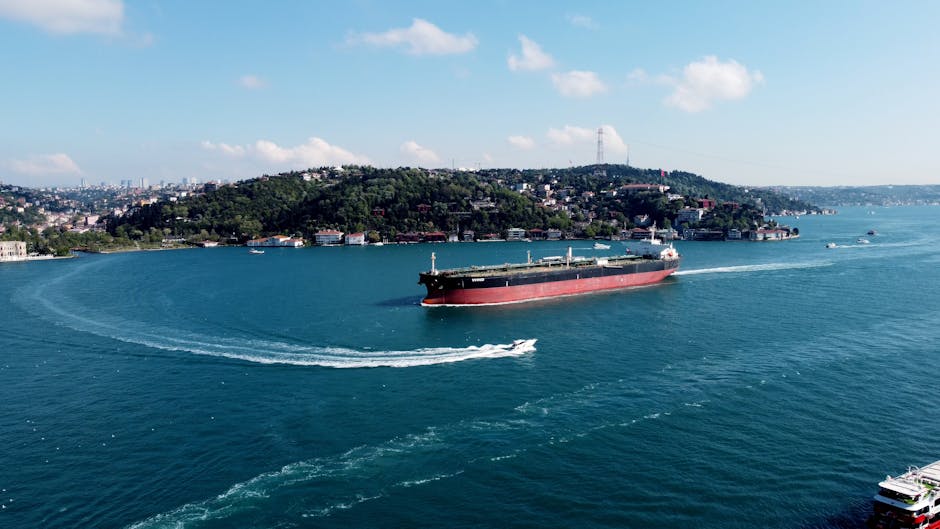

Attacks on tankers in the Strait of Hormuz reached their highest weekly total since the start of the Iran war, maritime security sources said, with at least 12 incidents recorded during the week of September 28 to October 5. The figure, drawn from data analysed by three maritime security sources, marks the most intense seven-day stretch of hostile activity against oil, liquefied natural gas and liquefied petroleum gas carriers since the US war with Iran began on February 28.
The incidents, which include direct attacks, attempted attacks and harassment activity, have persisted in the strategic waterway even as Gulf producers push for a larger export effort, according to the US Navy-led Joint Maritime Information Center. In a note issued on Sunday, the JMIC said the activity included drone overflights, surveillance and hailing of vessels via VHF radio by Iran’s Revolutionary Guards. “These actions continue to demonstrate Iran’s intent to assert presence along key transit lanes and maintain pressure on transiting vessels,” the JMIC said. The centre did not provide a breakdown of individual incidents, but its assessment points to a sustained campaign rather than isolated episodes.
Separate data collected by the United Nations’ shipping agency, the International Maritime Organization, showed nine incidents involving vessels during the same week. Maritime sources note that the IMO typically takes longer to verify and officially record such incidents, which may account for the discrepancy between its figures and those compiled by private security analysts. For comparison, the closest week in terms of comparable incidents was the week of July 13, when the IMO recorded eight incidents.
The surge in hostile activity comes amid an increase in exports by Gulf oil producers, who topped pre-war levels for roughly half of September, according to shipping data released on Monday. However, the persistent attacks on tankers, combined with logistical constraints, cloud the outlook for sustained higher flows through the Strait of Hormuz. The waterway remains the world’s most important oil chokepoint, and any disruption to transit carries significant implications for global energy markets.
On Tuesday, India’s foreign ministry said 12 crew members were injured after an unknown projectile struck the Panama-flagged oil tanker On Peace while it was passing through the Strait of Hormuz. The vessel was transiting the waterway when it was hit, though no further details about the projectile’s origin were immediately available. The incident underscores the risks faced by commercial shipping in the region.
Iran has faced mounting international pressure over its actions in the Strait of Hormuz, with US officials repeatedly accusing Tehran of destabilising the region. Last week, US Senator Marco Rubio said Iran has “lost complete control” of the Strait of Hormuz, while Vice President JD Vance stated that Iran must cut uranium enrichment to end the war. Tehran has not publicly responded to the latest JMIC assessment.
The record weekly tally of attacks on tankers in the Strait of Hormuz highlights the fragile security environment that shipping companies and energy traders must navigate. With diplomatic efforts stalled and military tensions unresolved, the risk of further incidents remains elevated, leaving the vital transit route under a cloud of uncertainty.
Source: ARY News