
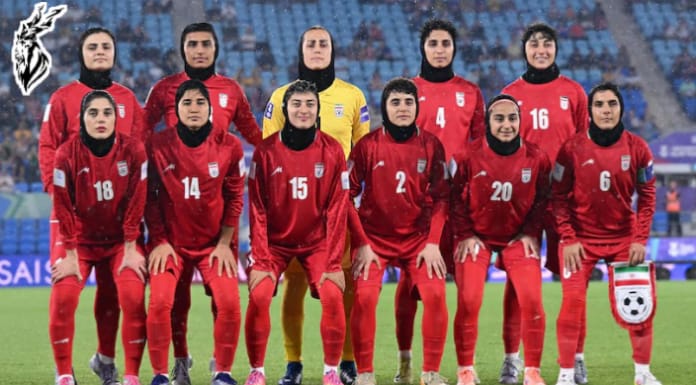

In a dramatic reversal, three members of Iran’s women’s national football team who had sought asylum in Australia have decided to return to their home country, the Australian government confirmed on Sunday. The decision comes just one week after Australia granted humanitarian visas to seven Iranian players, highlighting the intense personal and political pressures facing athletes from the Islamic Republic.
The players initially sought protection after refusing to sing Iran’s national anthem during a Women’s Asian Cup match, citing fears of persecution upon returning home. Their protest occurred against the backdrop of heightened regional tensions, as the tournament coincided with reported U.S. and Israeli airstrikes on Iran that resulted in the death of Supreme Leader Ayatollah Ali Khamenei. The team was subsequently eliminated from the competition last Sunday.
“After telling Australian officials they had made this decision, the players were given repeated chances to talk about their options,” said Australian Minister for Home Affairs Tony Burke in an official statement. He emphasized the complex circumstances influencing their choice, noting, “While the Australian Government can ensure that opportunities are provided and communicated, we cannot remove the context in which the players are making these incredibly difficult decisions.”
Of the seven athletes granted visas, four have now decided to depart Australia. This follows another player who reversed her asylum claim last week, indicating a shifting dynamic within the group. The situation underscores the precarious position of female athletes in Iran, who often navigate strict societal codes and political scrutiny. Women’s sports in the country have been a focal point for both cultural expression and state control, with athletes sometimes facing consequences for perceived dissent.
The case has drawn international attention to Australia’s humanitarian visa processes and the broader challenges faced by refugees. As Reuters reports, such high-profile asylum bids by sports figures are rare but reflect deeper geopolitical and human rights issues. The players’ ultimate decision to return—despite initially voiced fears—suggests powerful personal, familial, or political factors outweighing the offer of sanctuary.
As the three footballers prepare for their journey back to Iran, their story remains a poignant reminder of the difficult choices imposed on individuals caught between personal safety and national allegiance. Their return will likely be closely monitored by human rights observers and sports federations alike, as it may set a precedent for how similar cases are handled in the future.