

As global energy markets reel from unprecedented disruptions, a new reality is crystallizing: Iran, not Western powers, holds the decisive key to reopening vital shipping routes and restoring stability. This shift in geopolitical leverage became starkly apparent this week when Saudi Aramco informed buyers it couldn’t specify which port would handle April exports—a direct consequence of Iran’s strategic blockade of the Strait of Hormuz.
The Strait of Hormuz, a narrow chokepoint between the Persian Gulf and Gulf of Oman, typically carries about 20% of global oil and liquefied natural gas (LNG) supplies. Iran’s retaliatory actions—including drone and missile attacks on shipping—have effectively paralyzed this critical artery since early March, creating what the International Energy Agency describes as the most severe supply disruption in history. “I might as well call Iran to find out when this war ends so I can get my oil,” lamented one regular Saudi oil buyer, capturing the frustration rippling through global energy markets.
While U.S. President Donald Trump has repeatedly declared imminent victory in the rapidly escalating conflict, industry executives and analysts warn that American declarations alone cannot restart energy flows. Tehran’s demonstrated capacity to deploy low-cost drones and mines means Iran retains disruptive capabilities that could persist long after formal combat operations cease. “If the U.S. and Israel declare victory on terms that Iran does not accept, then Tehran would want to show it has not been defeated by causing more disruption,” noted Neil Quilliam of the Chatham House think tank.
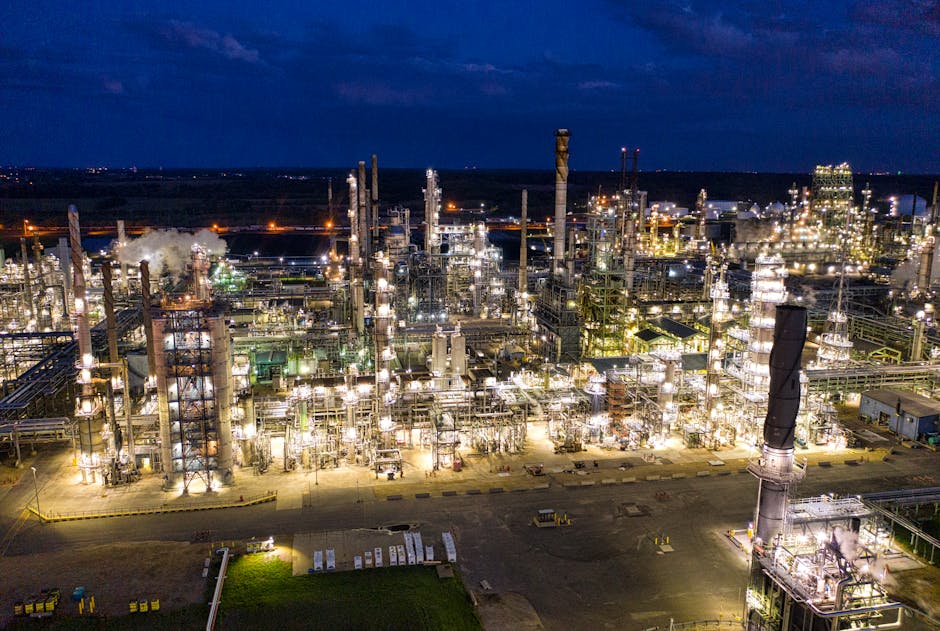
The conflict’s economic toll is already staggering. Iranian attacks have forced shutdowns at refineries across Saudi Arabia, the United Arab Emirates, Bahrain, and Israel, sending oil and gas prices soaring by up to 60%. Even if fighting stopped immediately, analysts from institutions like Morgan Stanley predict weeks of continued market disruption. The crisis has “collapsed confidence in supply routes,” according to an Iraqi government energy adviser, who warned that repairs would take months while insurance for shipments becomes more expensive and scarce.
Complicating recovery efforts is Iran’s ability to leverage proxy forces across the region. Yemen’s Iran-aligned Houthi rebels could escalate by targeting Saudi Arabia’s Red Sea port of Yanbu—the kingdom’s only current alternative export route. “Iran is sending a message that there is no safe harbour in this conflict,” observed Helima Croft of RBC Capital Markets, a former CIA analyst, pointing to potential attacks from Yemen, Iraq, and elsewhere.
U.S. proposals to provide military escorts through Hormuz have met with skepticism from regional energy officials. “Naval escorts would fail to normalize traffic unless the U.S. and Israel agree terms with Tehran,” a senior Gulf energy executive told Reuters, adding that his tankers would remain anchored until Iran guarantees safe passage. This sentiment underscores the fundamental shift: after decades of U.S. dominance in Gulf security, Tehran now effectively controls the timeline for global energy market recovery.
The standoff reveals deeper vulnerabilities in the region’s energy infrastructure and defense systems. As global companies hesitate to return to the Gulf—delaying field restarts and risking permanent damage—the world watches nervously, recognizing that resolution ultimately depends on diplomatic engagement with Iran rather than military pronouncements from Washington.
Source: ARY News