
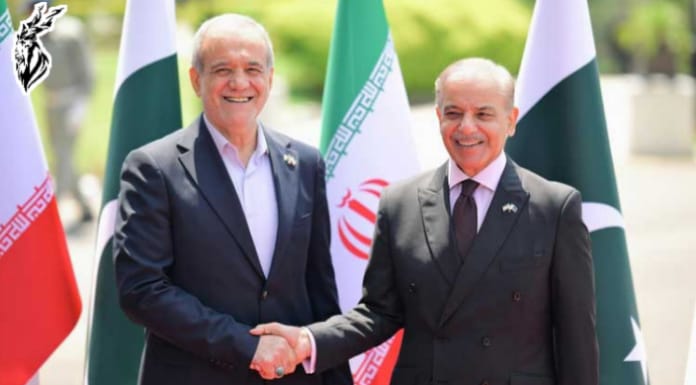

In a significant diplomatic gesture, Iran’s Foreign Minister Abbas Araghchi has publicly thanked Pakistan for its “strong solidarity and support” as Tehran faces what it describes as aggression from the United States and Israel. The message, posted in Urdu on social media platform X, highlights the deepening regional alliances amid escalating Middle East conflicts that have drawn international concern.
Araghchi’s statement emphasized Iran’s determination to defend its sovereignty and territorial integrity, attributing its resilience to “complete reliance on Allah Almighty.” The diplomatic acknowledgment comes against the backdrop of heightened tensions following US-Israeli strikes on Iranian targets in late February, which Iranian officials claim resulted in significant casualties, including the reported assassination of Supreme Leader Ayatollah Ali Khamenei.
Pakistan has positioned itself as a “bridge builder” in the ongoing conflict, according to statements from the Foreign Office. Deputy Prime Minister Ishaq Dar revealed that Islamabad invoked its Strategic Mutual Defence Agreement with Saudi Arabia to help prevent heavier Iranian retaliatory strikes against the kingdom. This delicate balancing act reflects Pakistan’s complex diplomatic relationships in a region where it maintains ties with both Iran and Gulf Arab states.
Prime Minister Shehbaz Sharif and Foreign Minister Dar have engaged in extensive diplomatic outreach since the conflict’s escalation, holding multiple phone calls with regional leaders and repeatedly calling for de-escalation. Sharif’s brief visit to Saudi Arabia on March 12 included a restricted meeting with Crown Prince Mohammed bin Salman, where he reportedly assured Saudi Arabia of Pakistan’s “full solidarity and support” while discussing regional developments.
At the United Nations Security Council, Pakistan has maintained what observers describe as a “delicate balance” in its voting patterns. Islamabad supported a Bahrain-led resolution condemning Iran’s retaliatory attacks while also voting in favor of a Russian draft resolution addressing military escalation—a measure that was ultimately vetoed by the United States. This nuanced approach reflects Pakistan’s efforts to navigate the complex geopolitical landscape of the Middle East while maintaining relationships with multiple stakeholders.
The public expression of gratitude from Tehran underscores the importance both nations place on their bilateral relationship, particularly as regional tensions escalate. Pakistan and Iran share a 909-kilometer border and have maintained diplomatic relations since Pakistan’s independence in 1947, though their relationship has experienced periods of strain over security concerns and differing regional alignments.
As the conflict continues to evolve, regional analysts are closely watching Pakistan’s diplomatic maneuvers. The country’s ability to maintain relationships with both Iran and Saudi Arabia—traditional regional rivals—while engaging with Western powers demonstrates the complex balancing act required of nations situated at the crossroads of multiple geopolitical interests. The ongoing situation highlights the broader dynamics of Iran-Pakistan relations and their significance in regional stability calculations.