
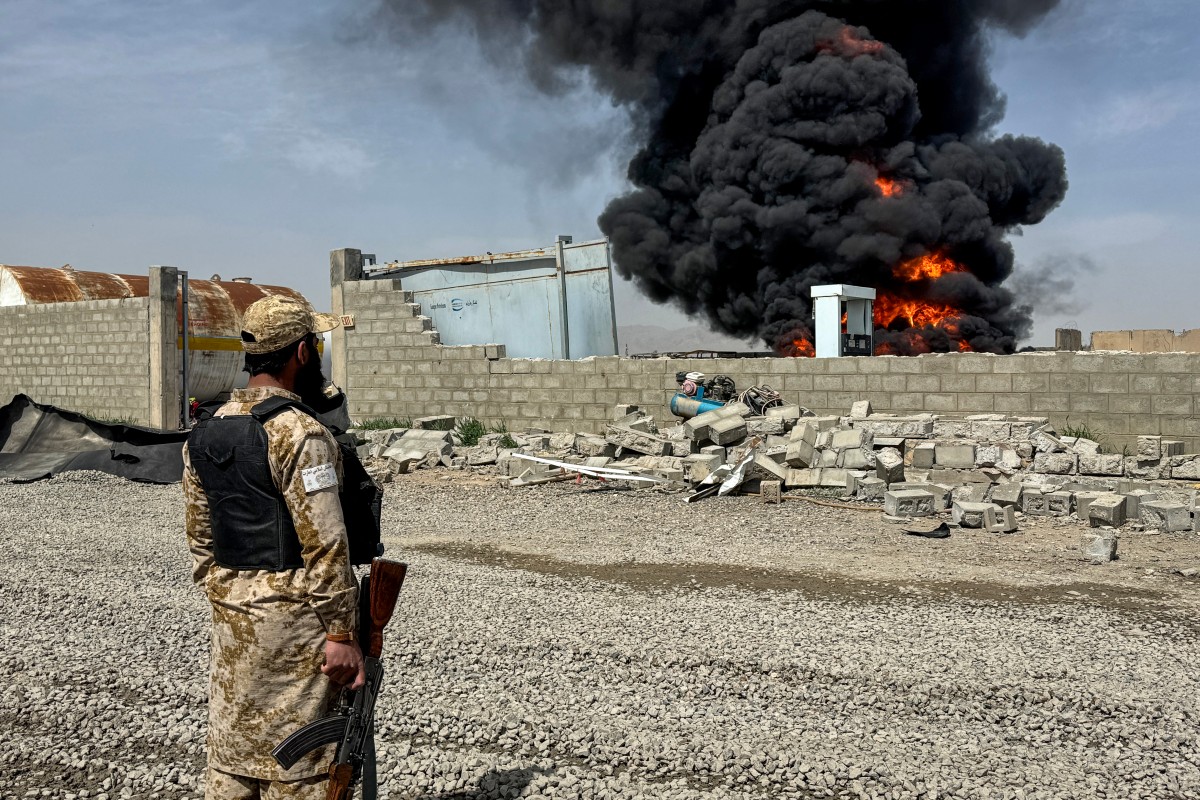

ISLAMABAD: In a significant diplomatic gesture ahead of Eid ul Fitr, Pakistan has announced a temporary pause in its ongoing counterterrorism campaign, Operation Ghazab Lil Haq, along the Afghanistan border. The ceasefire, effective from March 18-19 to March 23-24, 2026, comes following consultations with key Islamic allies and reflects Islamabad’s commitment to regional peace while maintaining defensive readiness.
Federal Minister for Information and Broadcasting Attaullah Tarar confirmed the development, stating the decision was made “in view of the upcoming Islamic festival of Eid-ul-Fitr, upon its own initiative as well as on the request from the brotherly Islamic countries.” The minister specifically named Saudi Arabia, Qatar, and Turkey as partners in the diplomatic coordination leading to the temporary halt in hostilities.
The operation, launched on February 27, 2026, represents Pakistan’s most substantial military response to what officials describe as “unprovoked cross-border attacks” by Afghan Taliban elements. According to security sources, the campaign has involved coordinated air and ground strikes targeting militant positions and infrastructure across the volatile border region. The Pakistan-Afghanistan border has long been a flashpoint for regional tensions, with both nations historically struggling to control militant movements across the porous frontier.
Minister Tarar emphasized that the pause aligns with Islamic values of goodwill during the holy month of Ramadan, but cautioned that operations would resume “immediately at full intensity” in response to any cross-border attack, drone strike, or terrorist incident within Pakistan. This conditional ceasefire underscores Islamabad’s dual approach: extending diplomatic olive branches while maintaining robust defensive postures.
The announcement follows weeks of escalating tensions along the border, with Pakistani officials reporting multiple incursions by Afghan-based militants. Operation Ghazab Lil Haq (meaning “Righteous Anger” in Arabic) was characterized by security analysts as a calibrated response aimed at degrading militant capabilities without provoking broader regional conflict. The Reuters Asia-Pacific desk has documented similar border skirmishes throughout 2025-2026, highlighting the persistent security challenges facing both nations.
Regional observers note the ceasefire’s timing coincides with intensified diplomatic efforts by Middle Eastern nations to mediate between Kabul and Islamabad. Saudi Arabia and Qatar, both with substantial influence in Afghanistan, have reportedly engaged in shuttle diplomacy to prevent further escalation. The involvement of Turkey—a NATO member with growing regional security interests—adds another layer to the multilateral peace efforts.
While the temporary halt offers respite during Eid celebrations, underlying tensions remain unresolved. Pakistani authorities reiterate their commitment to “a decisive and proportionate response” to threats, emphasizing civilian protection and national sovereignty. The broader Afghanistan-Pakistan relationship continues to navigate complex terrain, balancing counterterrorism cooperation with historical mistrust and competing strategic interests.
As families prepare for Eid celebrations, the ceasefire provides temporary relief to border communities that have borne the brunt of recent hostilities. However, with Minister Tarar’s clear warning about immediate resumption of operations if provoked, the coming days will test whether diplomatic gestures can translate into sustained de-escalation along one of the world’s most volatile frontiers.
Source: ARY News