
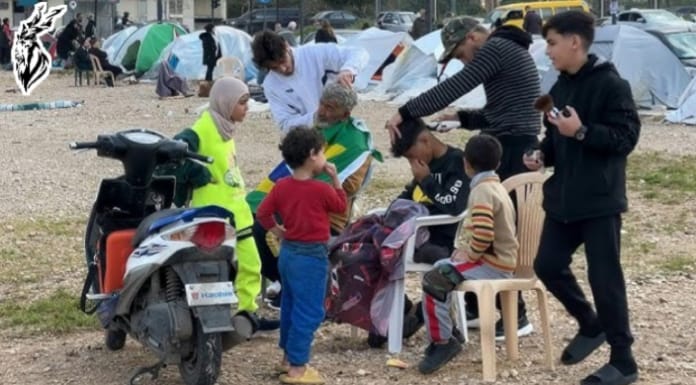

BEIRUT—Hassan Kiki, 16, speaks with a weariness that belies his years. Forced to flee his home in south Lebanon for the second time in two years due to Israeli bombardment, and mourning lost cousins and friends, he feels decades older. “War has aged us,” Kiki told AFP in Beirut. “We have lived through what no one else has. I miss my school, my friends… Material losses can be made up for, but people do not come back.” His story echoes across a generation of Lebanese youth whose formative years are being consumed by violence and displacement.
Kiki is among more than one million people registered as displaced since Lebanon was drawn into the regional conflict on March 2, following Hezbollah rocket fire into Israel. Israel responded with widespread airstrikes, ground operations along the border, and evacuation warnings for large areas. For many young Lebanese, this is merely the latest chapter in a series of crises, compounding the trauma of a financial collapse since 2019, the COVID-19 pandemic, and the catastrophic Beirut port explosion in 2020.
The human cost is staggering. Lebanese authorities report Israeli strikes have killed over 1,000 people since early March, including 118 children. “Cumulative trauma, cumulative adverse experiences and ongoing instability and unpredictability certainly put these children at higher risk of developing psychiatric disorders,” said child and adolescent psychiatrist Evelyne Baroud. “Witnessing violence, physical assaults, killings, forced displacement, losing one’s home, loss of a parent—all of these carry a very high risk of developing post-traumatic stress disorder.”
For Zahraa Fares, 16, war first disrupted her life in 2024. “We were still discovering what we like to do, what activities we enjoy,” she said, having fled the southern city of Nabatiyeh. “Then we were displaced and could not do anything.” She now finds brief respite in acting workshops at Beirut’s Lebanese National Theatre, organized for war-affected youth. The program, led by director Qassem Istanbouli, offers a fragile sanctuary.
The conflict also traps those who sought refuge in Lebanon from other wars. Wassim al-Halabi, 20, a Syrian who fled his country’s conflict nine years ago, saw his university studies halted by the 2024 fighting. Working in a restaurant, he aimed to “stand on my two feet again,” but the renewed violence has suspended his aspirations. “Our dreams are now on hold until the war ends,” he said.
This crisis unfolds against the backdrop of Lebanon’s long history of conflict, most notably the 15-year civil war that began in 1975. Experts warn that without intervention, the psychological wounds inflicted on today’s youth could seed another generation of trauma, undermining the country’s future social fabric. As bombardment continues unabated, the most vulnerable pay the highest price—their childhoods, their stability, and their mental well-being sacrificed to the relentless gears of war.
Source: Dawn News