
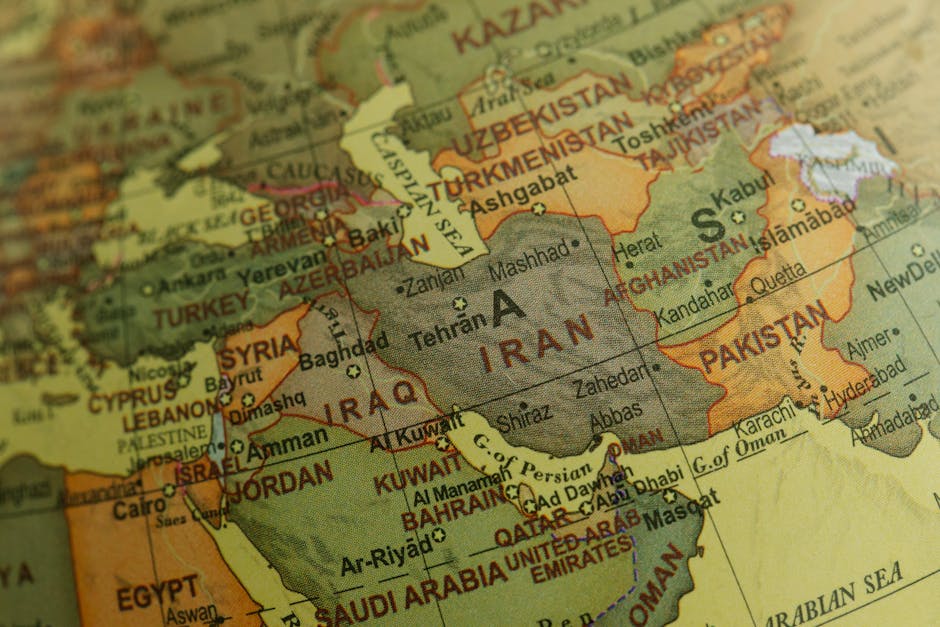

In the intricate tapestry of South Asian geopolitics, Pakistan’s assertion of its sovereign rights remains a pivotal and often contentious issue, shaped by historical legacies, regional rivalries, and global strategic interests. As the nation navigates a challenging international environment, debates over territorial integrity, economic independence, and diplomatic autonomy continue to dominate political discourse. This article examines the multifaceted dimensions of Pakistan’s sovereignty, analyzing key factors that influence its position on the world stage.
The concept of sovereignty for Pakistan is deeply rooted in its post-colonial history, particularly following the partition of British India in 1947. The unresolved Kashmir dispute with India represents one of the most persistent challenges to Pakistan’s territorial claims, with both nations asserting rights over the region. According to historical records, this conflict has led to multiple wars and ongoing tensions, significantly impacting regional stability. Meanwhile, Pakistan’s strategic location at the crossroads of South Asia, Central Asia, and the Middle East grants it geopolitical importance, but also subjects it to external pressures from global powers.
Economically, Pakistan faces sovereignty concerns related to international financial institutions and bilateral agreements. The country’s recurring need for International Monetary Fund (IMF) bailouts has raised questions about economic policy autonomy, with critics arguing that conditionalities imposed by lenders compromise national decision-making. Additionally, the China-Pakistan Economic Corridor (CPEC), a flagship project of China’s Belt and Road Initiative, brings substantial investment but also sparks debates about long-term dependency and strategic alignment. These economic relationships illustrate the delicate balance Pakistan must maintain between development needs and sovereign control.
In the security domain, Pakistan’s sovereignty is frequently tested by cross-border militancy and counterterrorism cooperation. The presence of various militant groups along the Afghanistan-Pakistan border has complicated relations with both Kabul and Washington, leading to periodic tensions over territorial violations. Pakistan’s nuclear program, developed as a deterrent against regional threats, represents another aspect of its sovereign defense capabilities, though it remains a subject of international scrutiny and non-proliferation concerns.
Diplomatically, Pakistan continues to navigate complex relationships with major powers while asserting its independent foreign policy. The evolving dynamics with the United States, China, and Russia require careful calibration to protect national interests without becoming overly dependent on any single ally. Recent developments in Afghanistan have further complicated this balancing act, as Pakistan seeks to influence outcomes while avoiding direct entanglement in its neighbor’s internal affairs.
As Pakistan confronts these multifaceted challenges, the preservation of sovereignty remains a central tenet of national identity and policy. The path forward requires nuanced diplomacy, economic resilience, and strategic clarity to safeguard the nation’s interests in an increasingly interconnected world. While external pressures will undoubtedly persist, Pakistan’s capacity to adapt and assert its rights will determine its trajectory in the coming decades.
Source: Dawn News