


Renowned Urdu playwright Kiran Siddiqui has recently penned her magnum opus, Parwarish that premiered on ARY Digital on April, 2025. In her interview, she explained that drama is produced by Fahad Mustafa, who stated that drama should tell the story of a father who along with his family immigrated back to Pakistan from America.
Wali Jahangir, a young and talented boy who was nurtured in the autonomous state of America has to face certain limitations. Neglecting his passion for music, his family wanted him to go to Medical College. This drama series directed by Syed Meesam Naqvi is revolving around the societal and generational conflict between parents and children during young age.
Parwarish, being a narrative drama highlights the story of family dynamics and the conflict between traditional values and youth’s aspiration. Maya, a young girl from a conservative Pakistani family is expected to get married without fulfilling her dream of becoming a doctor. The themes of teenage love, parenting, generational conflict, individual identity, pursuit of dreams and freedom are explored in this series.
Plot Of Parwarish. (Using Aristotle’s Literary Plot Structure)
The story started with Mr. Jahangir’s arrival to Pakistan along with his family. The family wanted free space like in US, so they faced trouble settling in Pakistan. Neglecting his love for music, Mr. Jahangir asked his niece, Amal to enroll Wali in Medical College.
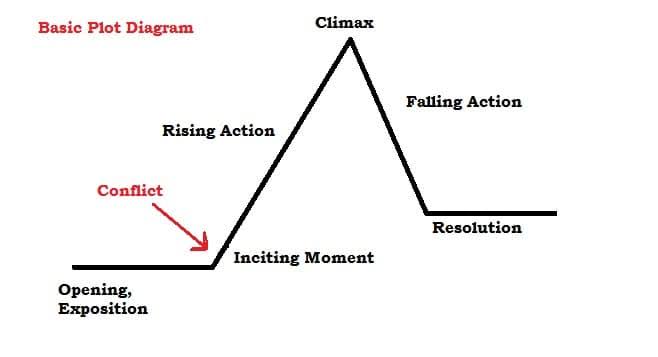
The rising action of the drama was when Wali and Maya met each other in Medical College and became friends. Wali wanted to propose Maya but heard that Maya is engaged. The conflict between Wali and his father made Aaina depression patient.
Climax of the story was when a fierce fight and heated argument occurred between Wali and Maya’s fiancé. This caused the breaking of Maya’s engagement. Maya’s father came to Jahangir’s house to meet Wali’s grandfather. Maya’s father wanted Wali to marry Maya but Mr. Jahangir refused saying that it isn’t possible. This tension caused Wali to leave this house. After leaving his house, he met Boss (Amir Naqvi) who provided him shelter and made him achieving his dream.
The falling action of the play was when Wali became stupendous singer but boss died before seeing him successful. Aaina has also consulted a mental health professional and now she has developed interest in studies as well. And Falling action of the play was when everyone realized that we are not fully true, we all have made mistakes. Wali realized that Boss was also in contact with Mr. Jahangir. Wali and Maya are now engaged. And drama ended with seeing everyone happy and Wali being a good singer has also pursued in Medical College.
Authority vs. Autonomy
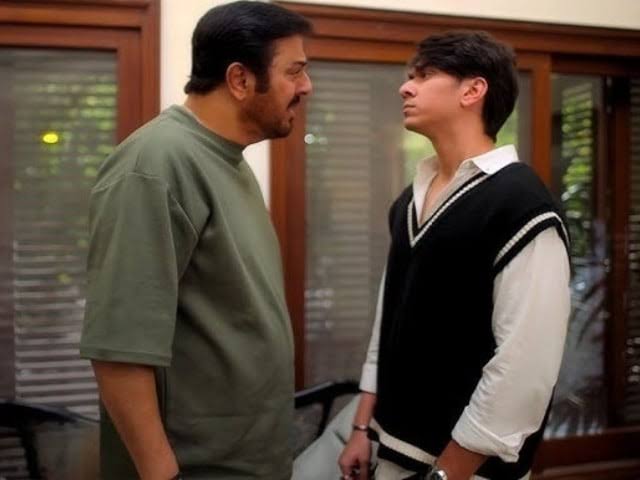
The sparkling theme of Parwarish is the conflict between authority and autonomy. The character of Jahangir demonstrates the mentality of parents who wanted to deal children as their personal property, but Wali Jahangir, seeks autonomous environment for exercising his music talent. Instead of creating an environment of open communication and understanding, Jahangir was more invested in securing what he considered best for his children, instead of supporting them.
Custom vs. Generational Gap
Jahangir being the production of Eastern tradition wanted to treat his son as his personal property. Wali standing in opposition portraying generation gap and conflict arises due to cultural division. Maya also shows tradition gap between her and parents.
Emotional Intelligence
The main focus of the drama is emotional maturity. The character of Mr. Suleman shows emotional intelligence between parent and his son. Jahangir isn’t emotionally intelligent to understand his son’s passion for music and his daughter’s mental trauma.
Societal Pressure and Expectations
Parwarish also shows the societal pressure parents have to face. The character of Mr. Shaheer portrays middle class man who wanted to fulfill societal expectations by marrying Maya with his own consent. On the other side, Wali is expected to bow his head ahead of his father’s will.
Reception/Acknowledgement
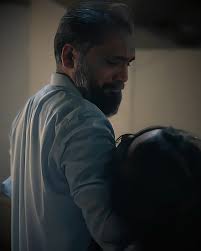
The drama gained widespread acclaim globally. It is the realistic portrayal of familial conflict and struggle of youth due to generational gap.
Two Cents On The Drama
The Parwarish was a great drama series ever aired on any Pakistani Television, because it has given a broader message of societal conflicts, generation gap, teenage love, and pursuit of dreams etc rather than conventional theme of family politics. The most astounding character was performed by Amir Naqvi AKA Boss (Syed Meesam Naqvi) whose keen love for music has added spirit in drama.
Some of the best lines by him which attracted me are, “Beta Art agar kisi ke validation ke muhtaj ho jaye to art nahi rehti.”
In the last episode, when Wali found that Boss was in contact with Jahangir, he saw the clip recorded by Boss in which he said, “Wali aik baat hamesha yaad rakhna, hum mein say koi bhi na kuch bhi akela nahi kr raha, na kar paata hai, tu logon ky ehsanaat ko smjhna shru kr day, tu unki muhabat ko acknowledge krye ga na tou wo tera jeena asaan kr dein gay meri jaan.”
It highlights that before taking any decision in life we should acknowledge the love, sacrifices, and favors of people connected with us, either they are our loved ones or those who by any chance play a role in our lives.
The bond between Wali and Boss AKA Amir Naqvi is more than a guider or instructor rather it is the relation of empathy. Some people in our lives come for short period of time but they left a profound impact on our personality and the way of thinking. Boss helped Wali in acknowledging the favors of his parents as well as of Boss.
In a recent podcast, Syed Meesam Naqvi told that “the purpose of making this drama wasn’t to give a perfect parenting model; rather we have presented four couples having distinct style of parenting. The any of the parenting style was not declared perfectly ideal or perfectly worst.”
In the end, all of them realized that no one was entirely right. Parents learnt from their mistakes and children through theirs. The tension escalated due to the lack of communication and understanding gap.
So, the need of hour is to build a solid communication relation between parents and children.
In a nutshell, Parwarish Wasn’t a Love Story At All, It Was About Giving broader themes of emotional intelligence of parenting, identity, and the generational gap. The realistic portrayal of societal conflict is relatable to people belonging to this contemporary society. And it enforces the parents to develop emotional maturity to understand your child’s obstacles.
“the purpose of making this drama wasn’t to give a perfect parenting model; rather we have presented four couples having distinct style of parenting. The any of the parenting style was not declared perfectly ideal or perfectly worst.”
The Author of this article is an undergraduate student of English literature.