
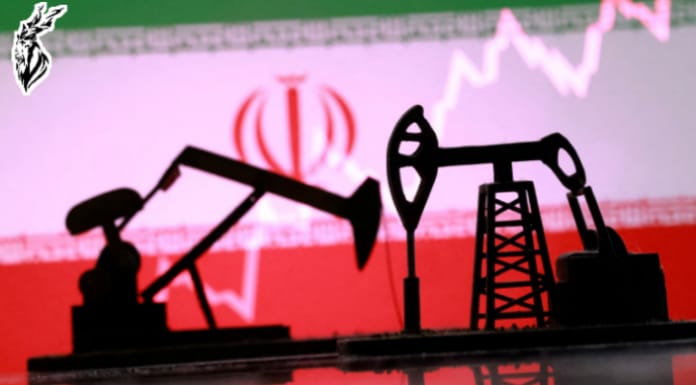

In a significant policy shift amid escalating Middle East tensions, the United States has authorized a 30-day window for the global sale of Iranian oil currently held at sea. The Treasury Department announced the sanctions waiver late Friday, permitting approximately 140 million barrels of Iranian crude to enter international markets in an effort to alleviate soaring energy prices that threaten both the U.S. economy and November’s midterm elections.
Treasury Secretary Scott Bessent confirmed the decision on social media platform X, stating the move would “bring some 140 million barrels of oil to global markets and help relieve pressure on energy supply.” This marks the third such waiver issued by the administration in just over two weeks, following similar temporary easements on Russian oil sanctions, as the White House scrambles to address oil prices that have surged about 50% since U.S. and Israeli strikes on Iran began on February 28.
The license, published after market hours, allows Iranian oil to be imported into the United States only when necessary to complete its sale or delivery—a technicality since America hasn’t meaningfully imported Iranian crude since sanctions were imposed after the 1979 revolution. Regions including Cuba, North Korea, and Crimea remain excluded from the authorization, which expires on April 19.
Energy analysts predict Asian markets will benefit most significantly from the temporary waiver. Independent Chinese refiners, historically the main buyers of sanctioned Iranian oil due to deep discounts, are expected to be primary beneficiaries alongside traditional Iranian crude purchasers like India, South Korea, and Japan. Energy Secretary Chris Wright indicated supplies could reach Asia within days and enter refined markets over the coming month and a half.
“In essence, we will be using the Iranian barrels against Tehran to keep the price down as we continue Operation Epic Fury,” Bessent stated, referencing the ongoing military campaign. He emphasized that Iran would have difficulty accessing revenue generated by the sales, with Washington maintaining “maximum pressure” on Tehran’s financial capabilities.
The administration’s extraordinary measure underscores growing concerns about rapidly depleting economic tools to control energy markets. Oil prices have climbed above $100 per barrel—reaching levels not seen since 2022—as Iran has effectively closed the Strait of Hormuz, a vital conduit for approximately 20% of global oil and liquefied natural gas shipments. Attacks on energy infrastructure in Iran and neighboring Gulf states have further strained supplies.
Brett Erickson, managing principal at Obsidian Risk Advisors, warned that “if we’ve reached the point of loosening sanctions on the country we are at war with, we’re really running out of options.” His assessment echoes broader analyst consensus that price control efforts will remain limited until the strategic waterway reopens to commercial vessels.
The waiver follows Wednesday’s 60-day suspension of the Jones Act shipping law, allowing foreign vessels to transport fuel between U.S. ports. Together, these emergency measures reveal an administration increasingly concerned about economic repercussions as military operations continue. With Brent crude futures trading near $104 per barrel, the temporary Iranian oil release represents both an economic maneuver and a political calculation ahead of critical elections.
Source: ARY News