
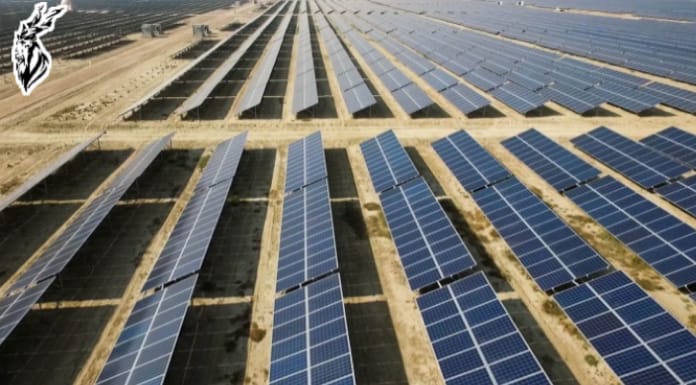

As the Middle East grapples with escalating energy instability, Pakistan is quietly engineering a solar-powered revolution that has already spared the nation over $12 billion in oil and gas imports since 2020. This dramatic shift toward renewable energy is not merely an environmental statement but an economic survival strategy, transforming how Pakistanis power their homes, businesses, and increasingly, their vehicles.
Energy expert Vaqar Zakaria embodies this transformation. For five years, rooftop solar panels have slashed his electricity bills to near zero through net metering. Last month, he took a decisive step toward energy independence by purchasing two electric vehicles, now charged entirely by his expanded solar array. “I am moving away from their fuel, and I don’t need their power,” said Zakaria, CEO of environmental consultancy Hagler Bailly Pakistan. “I call it the hand of God driving my car.”
The economic calculus is compelling. Zakaria generates electricity at approximately Rs12 ($0.043) per unit, while utilities sell it at Rs26 ($0.092). His EV operating costs have plummeted from Rs27 ($0.096) per kilometer for petrol vehicles to just Rs2 ($0.0071) using solar-generated power. This dramatic reduction excludes additional savings from near-zero EV maintenance compared to conventional vehicles.
While affluent adopters like Zakaria can afford complete grid independence, the solar movement is gaining broader traction. According to Rabia Babar, data manager at Renewables First, grid-based electricity demand dropped 11% in FY25 compared to FY22 levels as more households and businesses switch to solar. “What’s happening in Pakistan is quite significant,” Babar explained. “During the day, far less electricity is being drawn from the grid, which means gas-fired power plants are being used much less than before.”
The 2022 global energy crisis served as a catalyst for this transition. As Reuters reports, liquefied natural gas prices soared following Russia’s invasion of Ukraine, causing widespread power outages across Pakistan. Electricity prices nearly tripled within two years, forcing consumers to seek alternatives. “Those who could afford to opted for a one-time investment in installation,” noted Haneea Isaad, energy finance specialist at the Institute for Energy Economics and Financial Analysis.
Beyond individual households, solar energy is empowering communities through initiatives like LADIESFUND Energy’s training program, which has certified over 100 young women in solar installation. These technicians have solarized women’s shelters, churches, and orphanages, demonstrating renewable energy’s social potential.
However, challenges remain in democratizing solar access. Zakaria emphasizes that “the solar landscape will remain unchanged unless power companies introduce profit-sharing models that turn consumers into prosumers.” Such models, supported by microfinance to offset upfront costs, could accelerate adoption but may require utility privatization.
As Pakistan continues its solar expansion, the implications extend beyond national borders. The country’s experience offers valuable lessons for energy-dependent nations throughout the region facing similar crises. While complete energy independence remains elusive for most households, Pakistan’s solar boom represents a strategic shift toward resilience in an unstable global energy landscape.
Source: Geo News