
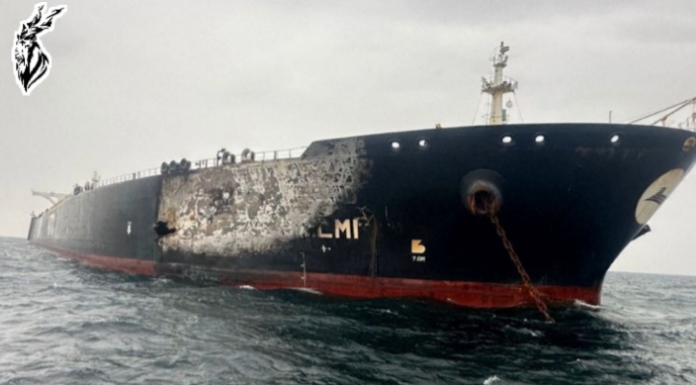

In a dramatic escalation of Middle East hostilities, Iranian forces struck a Kuwaiti oil tanker near Dubai’s port on Tuesday, setting the fully loaded vessel ablaze and raising immediate concerns about a potential environmental catastrophe in the strategic shipping lanes. The attack comes as Israel’s military declared it is prepared to continue its campaign against Iran for “weeks to come,” signaling no imminent end to a conflict that has already claimed thousands of lives and threatens global energy security.
The targeted tanker, which authorities confirmed suffered no oil leakage despite the attack, represents a dangerous expansion of the conflict into critical maritime trade routes. The strike occurred as Iran’s parliamentary committee approved plans to impose tolls on vessels passing through the Strait of Hormuz, the world’s most important oil transit chokepoint. This economic pressure tactic follows Tehran’s effective closure of the waterway as leverage in the ongoing war that began with joint U.S.-Israeli airstrikes on February 28.
Israeli military spokesperson Lt. Col. Nadav Shoshani told reporters that while the decision ultimately rests with political leaders, “we are prepared to keep operating for weeks to come. We have the targets for that, the munition for that, the manpower for that.” His statement followed Prime Minister Benjamin Netanyahu’s earlier comments suggesting the assault on Iran was “definitely beyond the halfway point” in terms of missions, though not necessarily in duration.
The human cost continues to mount, with Amnesty International reporting at least 1,900 fatalities in Iran as of March 27, including approximately 100 schoolchildren in Minab. Meanwhile, the conflict has expanded geographically, with four Israeli soldiers killed in southern Lebanon on Tuesday, indicating spillover into neighboring territories. French President Emmanuel Macron is scheduled to travel to Japan for talks expected to focus primarily on the Iran war, highlighting the conflict’s growing international dimensions.
Regional diplomacy shows some limited exceptions to the escalating tensions, with Malaysia securing assurances that its tankers would be exempt from any Iranian-imposed tolls in the Strait of Hormuz. Malaysian Transport Minister Anthony Loke confirmed that Iranian officials had promised “no toll being imposed on Malaysian vessels” due to the countries’ “good diplomatic relationship.” This selective approach suggests Tehran may be attempting to maintain some international relationships while escalating pressure on perceived adversaries.
The tanker attack near Dubai represents a particularly concerning development given the location’s proximity to one of the world’s busiest ports and its significance for global energy markets. While authorities confirmed no immediate oil spill, the incident demonstrates how quickly the conflict could trigger environmental and economic crises beyond the immediate war zone. Analysts warn that continued attacks on shipping could disrupt global oil supplies and push energy prices to unprecedented levels.
As the conflict enters its second month with no clear diplomatic resolution in sight, the international community faces mounting challenges in containing what has become the most significant Middle East military confrontation in years. The combination of direct military strikes, economic warfare through maritime restrictions, and expanding regional involvement creates a volatile mix with implications far beyond the immediate combatants. With both sides signaling readiness for prolonged conflict, the coming weeks may determine whether this crisis can be contained or will spiral into a broader regional war.
Source: The Guardian