
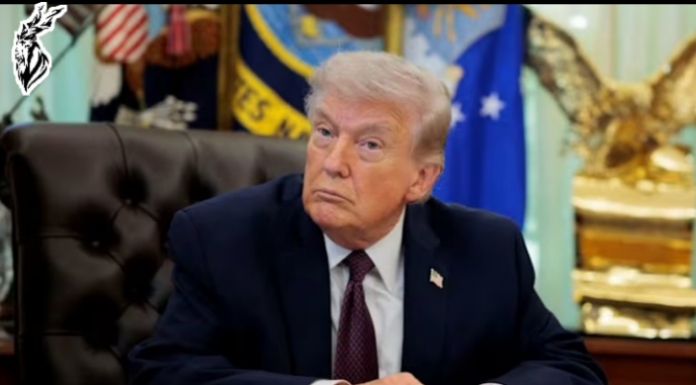

Former US President Donald Trump has made a bold prediction that the ongoing Middle East conflict will conclude within “two or three weeks,” while Senator Marco Rubio has called for a re-examination of the United States’ relationship with NATO, sparking renewed debate over America’s foreign policy direction. These statements come amid heightened tensions in the region and global scrutiny of international alliances.
Trump, speaking at a recent event, asserted his confidence in a rapid resolution to the hostilities, though he did not specify the basis for this timeline. His remarks have drawn attention given the complex and protracted nature of Middle Eastern conflicts, which often involve multiple state and non-state actors. Analysts note that such predictions, while politically charged, may influence public perception and diplomatic efforts. For context on the region’s historical conflicts, see the Israeli-Palestinian conflict overview.
Simultaneously, Senator Rubio’s comments on NATO have ignited discussions about the future of the transatlantic alliance. Rubio suggested that the US should reassess its commitments to NATO, reflecting a growing isolationist sentiment among some political factions. This stance contrasts with traditional bipartisan support for the alliance, which has been a cornerstone of US foreign policy since the Cold War. The BBC’s analysis of NATO’s role provides further insight into its current challenges and strategic importance.
Experts warn that these developments could signal a shift in US engagement on the global stage. Trump’s prediction may oversimplify the Middle East crisis, which involves deep-seated issues such as territorial disputes, religious divisions, and external interventions. Meanwhile, Rubio’s NATO remarks align with broader debates over burden-sharing and strategic priorities, as highlighted in Reuters’ coverage of US foreign policy. The interplay between these statements underscores the political polarization affecting international relations.
As the situation evolves, observers are closely monitoring how these narratives might impact diplomatic initiatives and military strategies. The Middle East remains a flashpoint with humanitarian and geopolitical ramifications, while NATO’s cohesion is tested by emerging threats and internal disagreements. The coming weeks will likely see continued scrutiny of US leadership and its implications for global stability.
Source: The Guardian