
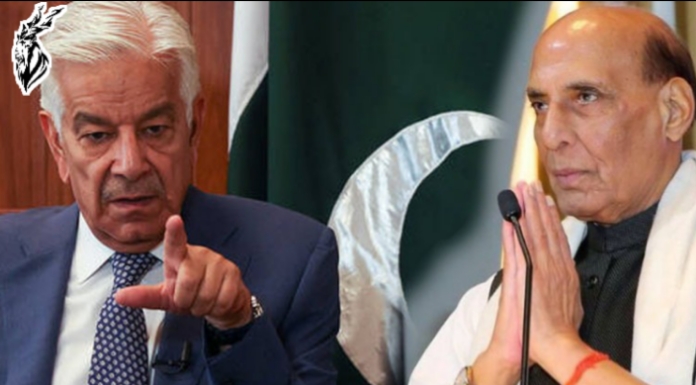

ISLAMABAD: Pakistan’s Defence Minister Khawaja Asif has issued a stark warning to India, stating that any future aggression would be met with a “more forceful and decisive” response, as tensions escalate ahead of the anniversary of the Pahalgam attack. The minister’s remarks came in response to recent statements by Indian Defence Minister Rajnath Singh, who cautioned Pakistan against “misadventure” amid regional instability.
In a post on social media platform X, Asif directly addressed his counterpart, asserting that “the illusion of space for war between two nuclear states is inconceivable and would have drastic consequences.” He emphasized Pakistan’s commitment to peace while underscoring the nation’s readiness to defend its sovereignty with “swift, calibrated, and decisive” action if threatened.
The exchange revives memories of last year’s brief but intense conflict between the nuclear-armed neighbors. In May 2025, following the attack on tourists in Pahalgam in Indian-administered Kashmir, India launched what Pakistan described as “unprovoked” strikes, accusing Islamabad of orchestrating the assault—a charge Pakistan vehemently denied and called for neutral investigation. The conflict saw Pakistan down several Indian fighter jets and drones before a ceasefire brokered by the United States took effect on May 10.
Asif characterized India’s recent rhetoric as reflecting “visible strategic anxiety” rather than strength, particularly as the Pahalgam anniversary approaches. He dismissed the accusations as part of a “predictable pattern” of externalizing internal fragility and manufacturing crises for political gain. “Such threat-mongering is not new,” he stated, adding that the episode “failed to withstand international scrutiny.”
The defence minister’s warning carries significant weight given the historical context of India-Pakistan conflicts, which have included four major wars since independence. Both nations possess substantial nuclear arsenals, making any escalation potentially catastrophic for the region. Experts have long warned that miscalculation between the rivals could have global repercussions.
Asif’s statement also referenced “Marka-e-Haq” (a likely reference to a previous military engagement), suggesting Pakistan’s military capabilities and resolve have been demonstrated before. He urged India to focus on addressing its own “strategic and diplomatic space” concerns rather than engaging in provocative rhetoric.
The timing of the exchange is particularly sensitive, coinciding with heightened tensions in the Middle East and ongoing diplomatic efforts. Pakistan has previously expressed concern about regional spillover effects from conflicts elsewhere, while maintaining that it seeks stability. The country’s leadership has emphasized diplomatic channels, even as it prepares for potential threats.
As the anniversary of the Pahalgam incident approaches, observers note that both nations appear to be positioning themselves for domestic and international audiences. The exchange highlights the fragile nature of South Asian geopolitics, where historical grievances and security dilemmas continue to shape bilateral relations. With both sides asserting military preparedness and political resolve, the region remains on edge, awaiting whether rhetoric will translate to action or whether diplomatic restraint will prevail.
Source: Geo News