
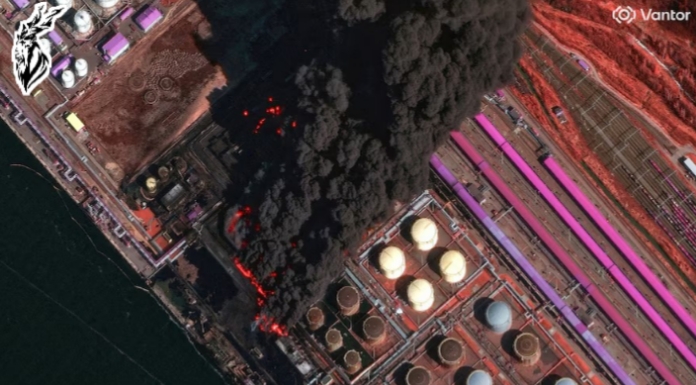

Russia’s critical Baltic Sea oil export terminals at Ust-Luga and Primorsk remain paralyzed for a second consecutive week following a sustained campaign of Ukrainian drone strikes, forcing the nation’s energy sector into a costly logistical scramble, according to industry sources. The ongoing disruption, which began in late March, has severely damaged port infrastructure and choked off a primary artery for Russian fuel exports, raising concerns about potential impacts on global energy markets and Russia’s own production capacity.
The attacks, described by sources as a series of at least five strikes on the Ust-Luga facility over a ten-day period, have rendered the terminals incapable of accepting shipments. This has left refineries across European Russia and Siberia without their most viable and cost-effective export route for products like diesel. “Diesel fuel has not been accepted in Primorsk since March 22,” one industry source confirmed, highlighting the severity of the blockade. While officials have promised a resumption of operations, no clear timeline has been established.
In response, Russian refiners are being forced to divert shipments to alternative, less efficient ports. Shipments normally destined for Ust-Luga are now being rerouted to Vysotsk, further north on the Gulf of Finland, or to the Black Sea port of Taman. However, traders note these alternatives present significant challenges; Vysotsk has a much smaller handling capacity, while transporting fuel to Taman requires securing a large and expensive fleet of rail cars, increasing costs and complexity.
The scale of the disruption is stark. Finnish maritime officials reported this week that vessel traffic from the crippled terminals has plummeted to just individual ships, a dramatic fall from the typical weekly average of 40 to 50 vessels. This logistical crisis compounds existing problems within Russia’s energy sector, which is also grappling with ongoing refinery disruptions from earlier attacks. Analysts warn that the combined export restrictions and refinery issues could force a decrease in Russian oil production.
The sustained attacks on these key Baltic export hubs underscore the expanding reach of Ukrainian drone capabilities and their strategic focus on crippling Russia’s economic lifelines. As the conflict continues, the resilience of Russia’s energy export infrastructure remains a critical question, with implications for both the war effort and global energy stability. For more context on the regional conflict, see BBC coverage.
Source: ARY News