
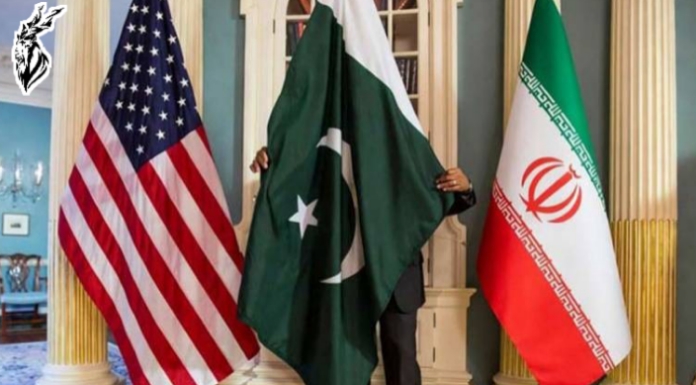

Iran will enter upcoming peace negotiations with the United States with heightened caution and deep-seated distrust, the country’s ambassador to the United Nations in Geneva declared on Wednesday. Ambassador Ali Bahreini’s statements underscore the fragile nature of a newly brokered two-week ceasefire, which has temporarily halted a devastating six-week conflict that has claimed thousands of lives and sent shockwaves through global energy markets.
The truce, mediated by Pakistan, follows a dramatic ultimatum from U.S. President Donald Trump. “We are not putting any trust in the other side. Our military forces are keeping their preparedness, but meanwhile, we will go for negotiations to see how serious the other side is,” Bahreini told Reuters. This skepticism stems directly from the collapse of earlier diplomatic efforts; nuclear talks in Geneva showed some progress in late February but were abruptly derailed when the U.S. and Israel launched joint strikes on Iran days before talks were set to resume in Vienna.
Pakistani Prime Minister Shehbaz Sharif has invited delegations from both nations to Islamabad on Friday for what would be the first official peace talks since hostilities began. While Iran’s president has confirmed attendance, the ambassador’s remarks signal that the path to a lasting agreement remains fraught. “Because of that reason, everything is now temporary. Even the arrangements for the Strait of Hormuz are temporary,” Bahreini stated, highlighting the provisional nature of current arrangements.
A critical and immediate consequence of the conflict is its impact on one of the world’s most vital maritime chokepoints. Ambassador Bahreini confirmed that the war “will affect the future legal regime of the Strait of Hormuz.” He indicated that future ship passage through the strait, a conduit for about a fifth of the world’s oil, would depend on the progress of negotiations with the U.S. and separate talks with Oman.
In the interim, a senior Iranian official suggested the strait could reopen in a limited capacity by Thursday or Friday, pending military coordination. However, new protocols will be in place. “During these two weeks, the issues will not be normal as it has been before the war,” Bahreini explained, noting vessels would need to provide detailed information on ownership and cargo. Iran seeks assurances that the strategic waterway will not be used by adversaries to launch attacks.
The ambassador also addressed the broader regional context, urging Israel to observe the ceasefire in Lebanon and warning that further attacks there would “complicate the situation.” He framed the current pause in fighting as a victory for Iran, asserting that the U.S. and Israel had miscalculated Tehran’s resilience and military response. As the world watches, the upcoming talks in Islamabad will test whether deep-seated grievances and a profound lack of trust can be overcome, or if the temporary ceasefire is merely a prelude to renewed conflict. For more context on the history of U.S.-Iran relations, readers can refer to analyses from BBC News and Reuters.
Source: ARY News